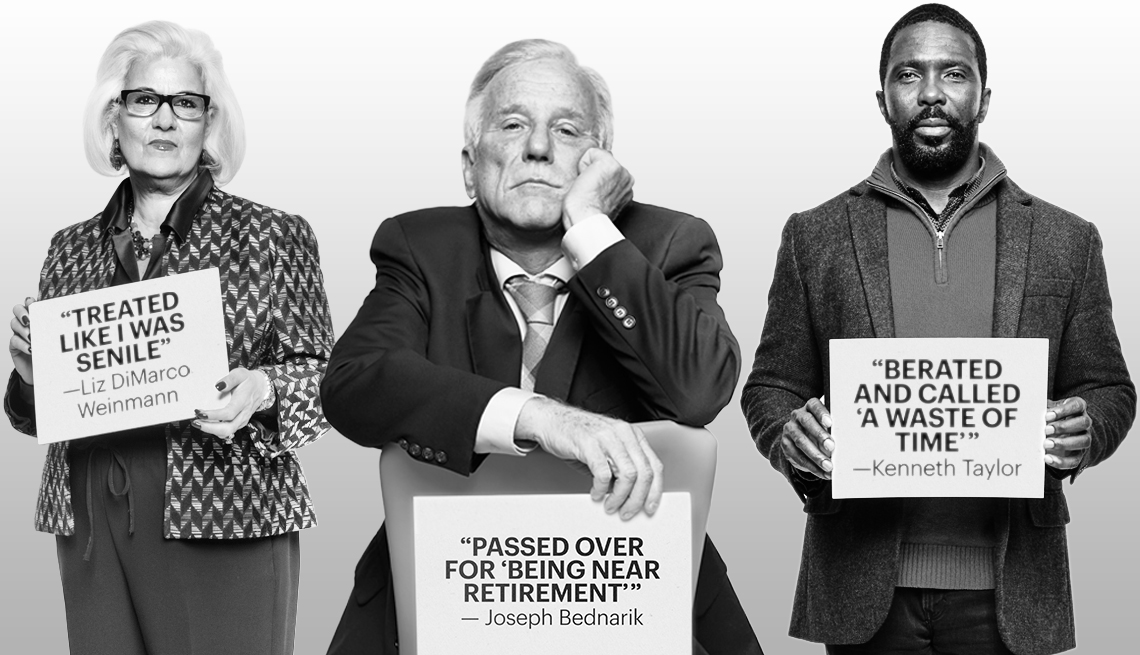

In examining ageism, both Cruikshank in “Ageism” and Aronson in “Adult” highlight its nature and powerful effects on older adults. Cruikshank discusses internalized ageism, where stereotypes lead older individuals to adopt these negative beliefs. Her insights of this fixation on appearance is compelling. It illustrates how this type of obsession can lead to internalized ageism amongst older adults that may feel the pressures of trying reach these unrealistic expectations of themselves. Now Aronson, on the other hand, uses her own personal experiences to illustrate the realistic view of ageism in society.
She horns in the language on ageist attitudes, while contrasting the “elderspeak” described by Cruikshank with the main focus on the language of death when speaking about aging. Aronson dives straight into the effects of ageism on the lives of older adults. She highlights how societal assumptions can lead to discrimination and neglect. I think as a social worker or an advocate for the elderly, you should try to focus on recognizing and addressing both external & internal ageism. By recognizing these attitudes, you can better support older adults. You can boost their self-esteem and their quality of life.
In conclusion, the readings to me equally underscore the significance in understanding ageism in the aging practice. It uncovered that ageism is not just a societal issue but it is also an internal struggle for many aging adults. Understanding ageism is a fundamental part that is needed for anyone who plans on working with the elderly community. This key element will shape your interaction, interventions and the well being of the older adults you work with.
0 Comments