
Introduction
Working with older adults often means trusting that medical decisions are being made with caution and with their well-being at the highest priority. Rather than focusing solely on healing, medication is frequently used to manage side-effects, behaviors, and efficiency. Through the examination between medicalization and power dynamics in medical systems, I reconsidered my own role as an advocate and the biases I have that encourage control over autonomy.
The Most Surprised
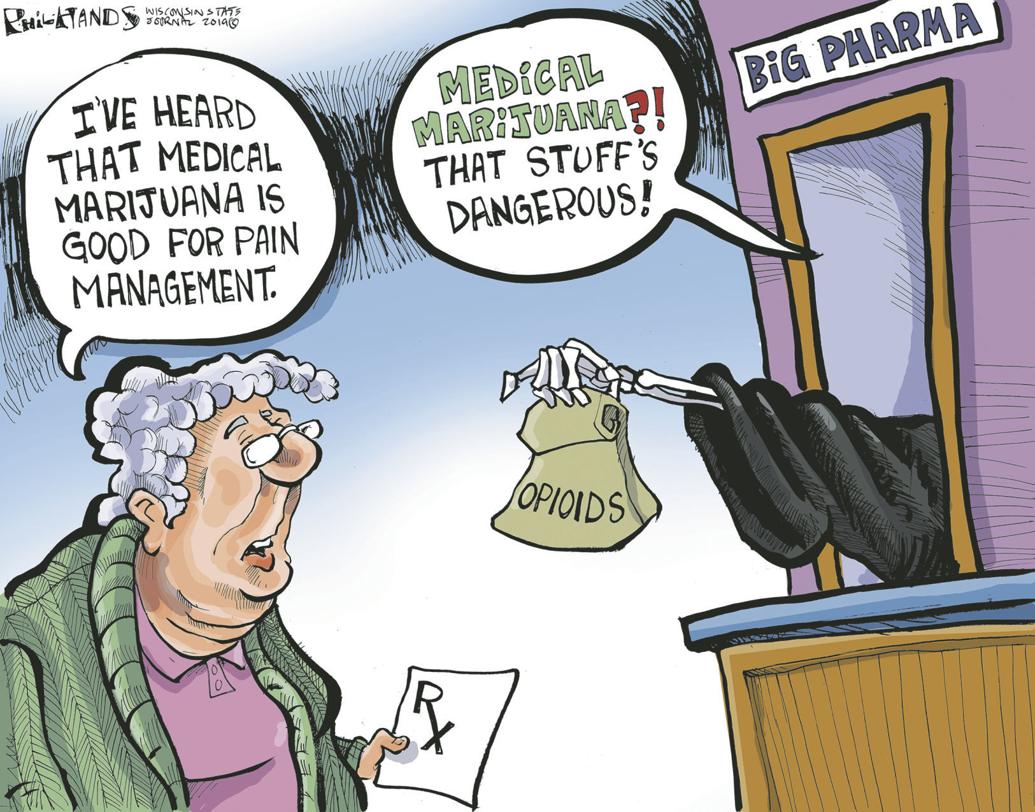
The most surprising fact in Cruikshank’s fourth chapter was that it is known that being on four medications increases your fall risk, but nursing home residents are averaging 10 medications a day and maybe sometimes per shift. I have former nursing home experience, and I witnessed the number of medications my residents were being prescribed and how much they ingest per day at times. I always thought that it was necessary, to an extent, but now I am highly confused. The administrators and department heads have always had conversations to reduce fall risks and if they know that medication might be the cause, why were there no solutions on reducing the need for medication? Very rarely did administrators or department heads want to get someone off of a medication unless it was the most likely cause of an observable change in condition. I can understand how some residents are bed bound or wheelchair bound, but that does not always stop people from attempting to walk. Reading this chapter made me wonder what kind of influence I might have had if I had known this information already. However, I became less shocked to read that drugs intended to help patients often produce side effects that are then treated with additional medications, creating a cycle that can accelerate decline (Cruikshank, 2013). Specifically for people in nursing homes, this made the overmedication make sense because it emphasizes how it is just a means of controlling symptoms instead of treating the root cause of the issue.
Cruikshank and the Natural Changes in the Body
Cruikshank’s analysis of natural changes, for example, slower metabolism, changes in body fat and lean muscle, restrictions in blood vessels, and altered kidney function, clearly explains why older adults experience drug reactions differently than their younger counterparts. Her argument was that these changes are predictable despite being ignored, and that highlights a systemic issue that should be addressed. Cruikshank’s solution to this issue is to be aware of the traditional side effects and other factors that can trigger side effects to the medication, not prescribing as often, and practicing holistic interventions (Cruikshank, 2013).
Due to my experience working with older adults, I already accepted that some things will be out of my control, but thanks to Cruikshank, I feel more comfortable with trying other avenues for healing. She laid out how overmedication was normalized and having that awareness will make me more mindful of advocating for other options. Unfortunately, I still have a fear of losing my independence, but I have hope that my medical team and family will know my preferences and respect my wishes.
Aronsons’ Power Dynamic Story
Aronson’s interaction with Dimitri’s daughter, Svetlana, was an intriguing one to me because it followed the procedures that I would in my former job. Calling family to get medical history and working to deduce the best action steps to help the client heal or help them be the most comfortable. It was important to note that Aronson assessed his medication to already be aware of potential causes to his decline before calling his daughter. Luckily, knowing that this was such a rapid decline and out of the norm made it easier to decide to reduce his medications (Aronson, 2019).
Aronson and the Memory Loss Tapes
Aronson’s discussion of dementia added meaningful insight to what we learned through the Memory Loss Tapes. She reinforced that overmedication could erase a person’s sense of self. People with cognitive decline can still experience emotions, have preferences and pursue relationships despite their condition. Ignoring those facts might make care more efficient, but at the cost of their humanity. She emphasizes the ethics of how we speak about, study, and treat cognitive decline. An example of this is when she highlighted how easily exclusion becomes normalized under the appearance of competence because the conference allowed for people with dementia to be spoken about, but not included (Aronson, 2019).
Alternative Approaches
Gabow’s mother offered one of the most hopeful moments between both readings. Not only does Gabow have the expertise and authority to request and provide alternate approaches, but she also allowed her mother dignity to choose how her last moments would be. Even after declining so many procedures that are standardized, Gabow’s mother still showed improvements. This was probably such a rewarding moment for Gabow. What impacted me most was how simple yet radical this approach is. Gabow even noted how hospital doctors were uncomfortable with the approach she was taking, but she had knowledge about her mother that no one else would understand. Ultimately, it was the right choice. This is an example of ethical treatment and how it is possible within our medical system, it just takes intentional resistance. On the other hand, this is not something that everyone has the knowledge for, so it will take some discernment and open communication with doctors. Although it is not bad to have standardized procedures, with practice and acceptance, all patients will be treated like their life still matters instead of physicians just following steps (Aronson, 2019).
Conclusion
Together, Cruikshank and Aronson reveal that the medicalization of aging is not inevitable, but it is learned and therefore changeable. It stems from predictable bodily changes being ignored and standardized procedures being encouraged over deeper needs. This pattern of thinking can be overcome with more alternative approaches, however, it will take restraint and respecting older adults as their own person. These chapters challenge me to recognize aging as a stage of life that deserves a voice and advocate for that voice to be heard.
References
Aronson, L. (2019). Elderhood: Redefining aging, transforming medicine, reimagining life. Bloomsbury Publishing.
Cruikshank, M. (2013). Learning to be old: Gender, culture, and aging (3rd ed.). Rowman & Littlefield.
0 Comments