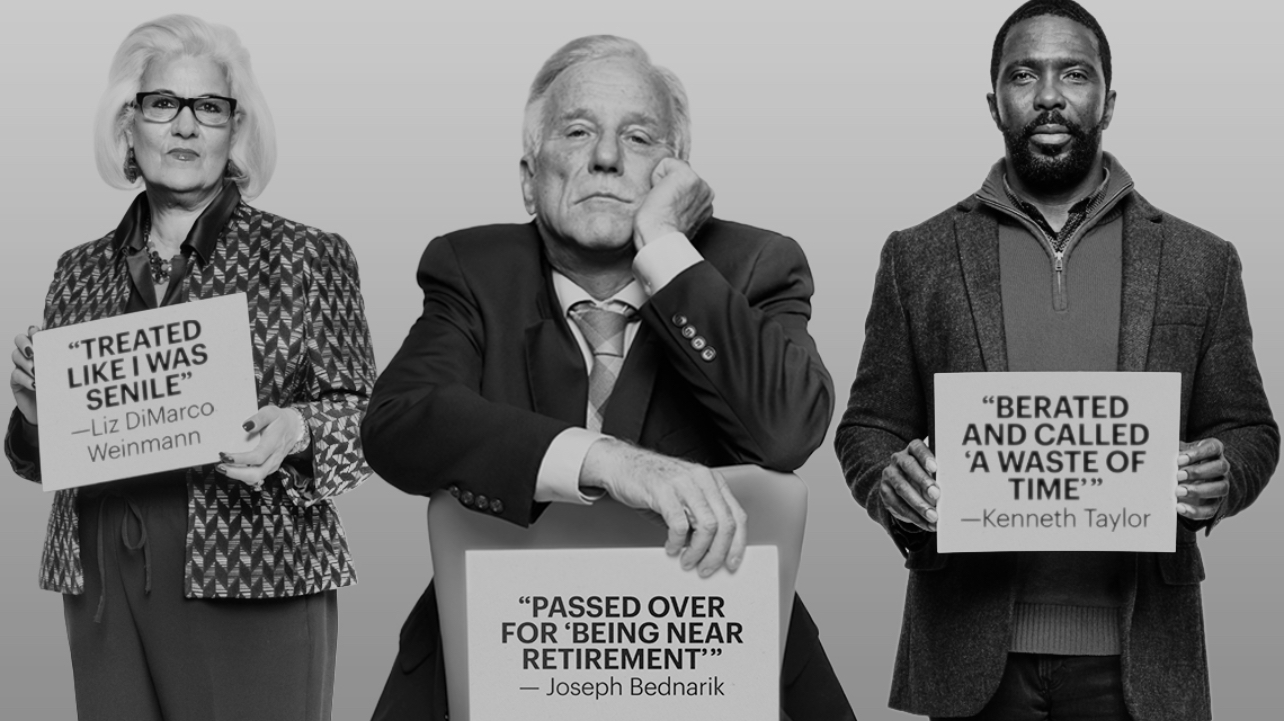

In examining ageism, both Cruikshank in “Ageism” and Aronson in “Adult” highlight its pervasive nature and detrimental effects on older adults. Cruikshank discusses internalized ageism, where societal stereotypes lead older individuals to adopt these negative beliefs about themselves, often resulting in diminished self-worth and a reluctance to pursue new opportunities. This internalized stigma not only affects older adults’ quality of life but also emphasizes the need for practitioners to foster a supportive environment that promotes self-acceptance and encourages active participation in their lives. Aronson complements this perspective by sharing real-life examples of ageism faced by her father, showing exactly how deeply these societal notions can impact individuals.
Language is another critical factor in perpetuating ageism, as both authors illustrate. Cruikshank critiques “elderspeak,” which simplifies communication in a condescending manner, while Aronson addresses the “language of death” that equates aging with decline. These patterns serve to undermine the autonomy of older adults and reinforce negative stereotypes about their capabilities. To combat ageism, it is essential for practitioners to challenge these narratives, advocate for respectful communication, and engage in ongoing education about the impact of ageism, ultimately working towards a society that values aging as a enriching experience. (Cruikshank, 2023; Aronson, 2023).
References:
Cruikshank, M. (2023). Ageist.
Aronson, J. (2023). Adult.
0 Comments