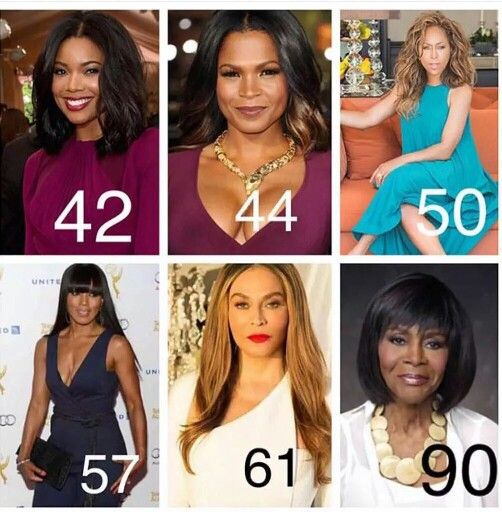

- My grandmother brought me to church with her starting when I was three years old. We’d wait for, then take 2 busses and walk several blocks to get to church. My grandmother was an usher and I would sit with her and all of her 50+ friends. They grew older and I grew fonder of this population. I have been connected to older adults since I was a child and studying gerontology is more exciting than I can articulate.
- I spent a lot of time with my grandmother because I preferred her. I enjoyed her unique and eccentric ways and sayings, I loved how she always knew (and still does know) so much about the world and how it works, how people work, how relationships work. My grandmother introduced me to wisdom and couldn’t get enough of either. I had relationships with older people through the friendships and relationship my grandmother had while I was growing up and always with her.
- I hope to gain perspective that helps me more automatically consider how things affect older adults. It seems like there is always so much emphasis to middle age and children in new construction, laws, fashion, media, statistics, etc. I want to understand how to find and explore the way these changes in the world affect older adults. I also want to understand the way that I can affect positive change as it relates to circumstances that create disproportionate vulnerabilities for older adults.
The meaning of aging.
- The term “older adulthood” is more literal than it has ever translated to me. I find it to be unambiguous, and instead, directly identify a label just like “young adult”. Simply, addressing that there have been several decades of “adulthood” and now there is a more distinguished acknowledgment of age. When I hear terms like these, I imagine a version of a person with the same personality they had decades prior and the demonstration of that personality has evolved to show itself in consideration of the comfort and abilities of the older adult.
- I will consider myself an older adult when I am 65 years old. I envision myself as a bright eyed and optimistic woman and distinguished with a fashion sense that has used every bit of each decade’s personal fashion evolution and increased comfort in my own skin. My health will be great, as well as my weight. All my levels normal and my range of motion giving evidence to maintaining a body in motion with healthy eating habits and a healthy lifestyle. I will spend my time with my husband and family, serving on board of directors and speaking at events. Peace will bring me the most pleasure. I expect that I will be bringing peace with me everywhere I go. But I would like to have built a life that continually prioritizes peace within the day to day and embedded in my lifestyle and routine.
- I have the concern of aging that could mandate that I reduce how much I comfortably do in a day. My general energy level perhaps not accommodating the sporadic requirement to stay up all night or dance without inhibition. These concern me because I would feel sad and possibly consider them as limitations. I don’t want to grieve my youth, so I am most hopeful that I maintain and continually grow the perspective that there are things we grab and other things we let go of at every stage and blessed age.
Hello LaCher! I really enjoyed reading your post and your perspective on aging. You made a great point in that society and research focuses on people’s younger years but doesn’t see how the same factors affect people in older adulthood. I also like your definition of “older adult” being a literal translation of the person stage in life just as how the term “young adult” is a literal translation of a person’s stage in life. Your outlook on what older adulthood would look like for you was also a great perspective on how aging can be a positive experience rather than a negative one. Society portrays aging as something to resist due to their portrayal of it being a limiting stage in life, but your description of what your life would look like in the stage of “older adulthood” shows that you can still find enjoyment and comfort in that stage of life.
Hi LaCher,
I’m so happy to see you in this class! I really enjoyed your photo definition of what aging looks like to you, as well as your vision for older adulthood. I can absolutely see the connection you made, and I love that peace is what you feel will bring you the most pleasure. Visualizing that kind of energy really can help bring it into reality.
I also completely understand your point about energy being finite. As children, we rarely think about how much energy we have, but with age, it does seem to fade. However, perspective makes all the difference. Even if energy feels more limited, there’s also more opportunity to slow down and enjoy restful moments, even if that just means more time for naps! Cheers to aging gracefully and in good health!
LaCher,
Thank you for sharing your experiences and ideas. We all appreciate it. You automatically bring a truly unique perspective because of your relationship with your grandmother and her friends. You were able to be with older adults, so their ways, perspectives, and even their infirmaires, all seemed totally natural and regular to you. That is a gift that most young people today do not have. You will read a great deal in this class about the societal definitions of aging and how they often do a disservice to older adults themselves.
I think you will enjoy Cruikshank, because she challenges the traditional theoretical approach to aging, particularly among women. And Aronson then describes the ways in which the medical establishment helps and impedes the best interests of older adults. When I read your description of your later life, I was impressed by your positive approach, but also aware that having all of your health indicators look exactly like they do now isn’t how aging typically works. We all struggle to keep things in line, and frequently have to be prepared to face the vagaries of aging. But I totally agree with you that no matter what, you can always bring your peace with you.
But that description helps explain what worries you the most. Not have control over your physical strength. Independence takes many forms, and as Cruikshank and Aronson both point out, you can be independent even if you need some help with that aging body.
I look forward to many more conversations.
Dr P