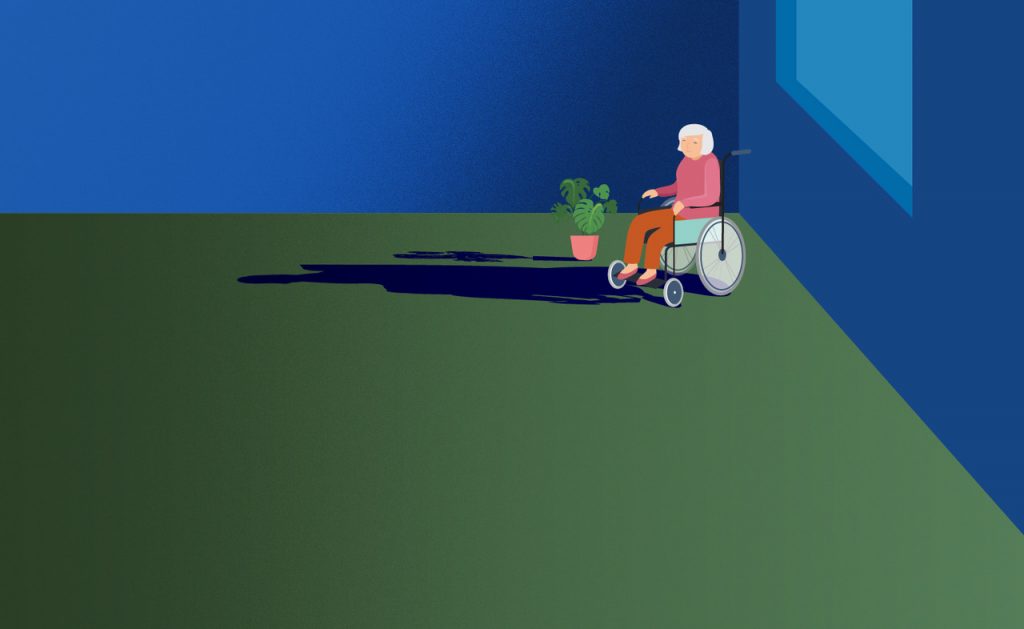

In my first blog post, I wrote that an aspect of aging that I fear is the possibility of social isolation and cognitive decline. Some physical outcomes that result from these difficulties are cognitive decline increasing the chances of developing more health issues due to memory difficulties making it harder for me to remember to complete ADLs. Social isolation may also cause me to become less active, increased stress levels, and we can my immune system, which could result in adverse health outcomes. I also think it would be difficult to cope emotionally with the frustration of cognitive decline symptoms due to not being able to express myself effectively or remember conversation conversations I’ve had with friends and family. I also think cognitive decline and social isolation directly affect each other as I would be more inclined to isolate myself as cognitive decline progressed due to feeling embarrassed and frustrated with cognitive decline’s symptoms. Social isolation could also lead to feelings of hopelessness and depression which could make it harder to stop isolating. Cognitive decline would also make it harder for me to participate in social activities due to communication and memory difficulties caused by the cognitive decline that may make it harder for me to interact with others. This could ultimately cause my support system to get smaller and make it more difficult to stop isolating. The cost of memory care facilities to support me in cognitive decline would be very expensive, even if I had the savings or insurance to support it. The financial strain could create more stress for myself and my support system.
My initial feelings about facing these conditions are dread and sadness. It’s scary to consider having to depend on others to support me when I place so much importance on maintaining my independence. Visualizing this scenario instills the importance of planning ahead, strengthening my support system, and continuing to be socially active to better strengthen my resilience in case I encounter these conditions in older adulthood.
My ideal life in older adulthood would look different from what I pictured in my first blog post if I were to experience social isolation and cognitive decline. This is due to seeing myself in my ideal life in older adulthood as remaining independent, being active in hobbies like choir, knitting, and volunteering, and being socially active. I may need assistance participating in social activities due to having communication and memory difficulties I may face in older adulthood. My relationships with family and friends may also change due to cognitive decline and communication difficulties that accompany them which make social connections harder to maintain. The financial cost of memory care could also impact the comfortability of my life in older adulthood. Even with these challenges, some aspects of my pictured ideal life in older adulthood may stay the same. My value system of connection would most likely stay the same but I would just need to find new ways to pursue them that is accessible in my cognitive decline. This could be achieved through having activities in smaller social circles and engaging with peers who are also going through the same difficulties to create a sense of community. While the reality of coping with these difficulties may differ from my ideal life in older adulthood, I can still achieve it with planning and a strong support system.
The GRRs in the CARA model can help me manage cognitive decline and social isolation to maintain resilience later in life. Some individual resources that can help with these difficulties are using memory aids such as a calendar to support a structured routine to support memory difficulties, and maintaining engagement in hobbies, such as choir, knitting and volunteering to help me, stay engaged and maintain a sense of purpose. Utilizing emotional coping skills and seeking out therapy services would also be beneficial to increasing resilience and mental health. Community resources, such as accessing memory care services and attending activities at the local senior center would help me stay connected to my community, reduce social isolation, and help support cognitive function. Sociocultural resources, such as seeking government programs/policies to help pay for long-term memory care, grants for day programs, or even education programs to support cognitive health. Another sociocultural resource that can provide emotional support if I were to experience these difficulties is fostering a relationship with my family to build a strong support system. To promote resilience, I would have to adapt to the level of functioning these challenges would put me at while still striving to maintain fulfillment, purpose, and connection in my life. This would look like participating in smaller social groups with peers experiencing similar challengers in older adulthood, utilizing memory aids such as calendars or setting reminders for ADLs, and continuing to participate in activities that foster cognitive functioning and purpose to support resiliency in later life.
The article “Communication challenges in social isolation, subjective cognitive decline, and mental health status in older adults: A scoping review (2019–2021)” by Rebecca S. Koszalinski and Brenda Olmos seeks to understand the impact the COVID-19 pandemic’s lockdown’s communication challenges and social isolation had on older adults with Alzheimer’s disease (and related cognitive decline conditions). They utilize 29 articles which met the criteria of being published from 2016 on and studied people who were socially isolated, living in nursing homes or long-term care facilities, and included the terms “social isolation”, “dyshomestasis” and “metabolic syndrome”. The quantitative outcomes of the study reported that there were “higher rates of depression during the pandemic than pre-pandemic, and increased symptomology in neuropsychiatric profiles” (Koszalinski & Olmos, 2022, p. 2753). They identified social isolation and psychological symptoms as indicators for faster cognitive decline and found that “communication challenges in residents with dementia may lead to feelings of social isolation” (Koszalinski & Olmos, 2022, p. 2753), but that there was evidence that “communication and human contact can ameliorate negative outcomes” (Koszalinski & Olmos, 2022, p. 2753). This article added to my knowledge about cognitive decline and social isolation by helping me better understand the importance of addressing communication barriers to prevent the worsening mental health symptoms in older adults. The article highlighted that unaddressed communication difficulties with individuals with conditions that impaired communication and cognition negatively affect their mental health and overall well-being. I have learned the importance of maintaining human connection and increasing communication strategies in older adulthood to maintain resilience to lesson the negative outcomes of social isolation. Interventions not only should focus on social interaction, but also make communication more accessible for older adults with cognitive difficulties.
Koszalinski, R. S., & Olmos, B. (2022). Communication challenges in social isolation, subjective cognitive decline, and mental health status in older adults: A scoping review (2019–2021). Perspectives in Psychiatric Care, 58(4), 2741–2755. https://doi.org/10.1111/ppc.13115
Hi Gianna,
I really liked your post and how you connected cognitive decline with social isolation—it makes sense how one can make the other worse. I thought it was great that you focused on using memory aids, hobbies, and community resources as ways to stay resilient. Your article was really interesting too, especially the part about how communication plays such a big role in preventing isolation. It shows how even small strategies to stay connected can make a huge difference for older adults.
Gianna,
Nicely done. You are talking about all of the right steps to build community – and that is really the secret, isn’t it? Good article references.
Dr P