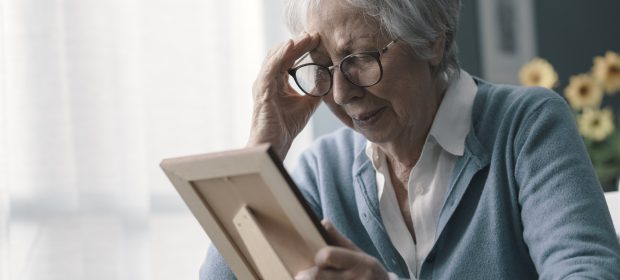

In my previous blog post, I identified losing loved ones as the situation I fear most about aging. This type of loss would have a deep emotional impact on me, especially because of how overwhelming grief can feel. Without a strong support system, grief can become all-consuming and spill over into every part of life. Emotionally, I might experience sadness, helplessness, or even anger. These feelings could also affect other areas of my life. For instance, if the person I lost was my main source of social connection, the loneliness might intensify and even lead to depression. Grief does not only affect emotions, but can take a physical toll too. Stress from loss may cause fatigue, sleeplessness, or high blood pressure, all of which could worsen over time if left unaddressed. Financially, the loss of a loved one could be devastating. If they contributed to household income, their absence might create an immediate financial strain.
Even though I know loss is inevitable, I feel a mix of uncertainty about how I would handle it. I have already experienced loss, but only with distant relatives or acquaintances. Losing someone close to me especially someone I rely on emotionally or socially, would be far more difficult. While I usually try to stay positive and resilient during hardships, I know that losing someone at the center of my support system could be overwhelming. In some ways, I feel somewhat prepared because I know death is a part of life. At the same time, I recognize there is no way to fully predict or control how grief might affect me. I may try to stay optimistic, but I also acknowledge that this type of loss could impact me in ways I cannot completely prepare for.
How this might change my ideal older life. Although the fear of loss would shape parts of my life, I imagine that my overall vision for aging would remain the same. Still, grief could shift my priorities and outlook in important ways. I would likely put even more emphasis on building deep, meaningful relationships, knowing how important strong connections are for emotional well-being. I might also be more intentional about maintaining a supportive social network so I am not isolated when loss occurs. Health would also become an even bigger priority. I would want to focus on my mental and physical wellness to build resilience against the challenges of grief. Financially, I would strive to create a secure future by saving and preparing for unexpected expenses that might come with the passing of loved ones. I might also be more proactive in planning for the future, such as setting up a will or discussing my wishes with family members. In some ways, the fear of loss could make me more mindful of the present moment and deepen my appreciation for the time I do have with the people I love.
In this situation, the CARA model of aging could help me build resilience when facing the loss of a loved one. For me, the most important GRRs would be community and attitude. Having a strong network of family and close friends to lean on would be essential in helping me cope with grief. Sharing memories, talking about my emotions, and not going through the loss alone would support my well-being. My attitude would also play a big role. I try to stay positive even when life gets difficult, and this perspective helps me remain hopeful and grounded. Resilience, in this case, would mean allowing myself to feel the grief while also finding ways to keep moving forward, leaning on my community, and holding onto a positive outlook despite the sadness.
Now let’s take a look at an article relating to thiTreml et al. (2022) conducted a study on how grief and loss affect older adults using data from the LIFE-Adult-Study. Their findings show that loss has strong psychological and social effects, including a higher risk of depression. The study also highlights that older adults with strong social support networks tend to manage grief better than those who are isolated. This article enhanced my understanding of how loss impacts aging. The findings confirm what I already suspected—that grief in older adults is closely tied to mental health challenges such as depression. The research also showed how isolation can worsen grief, which reinforces my belief in the importance of community support. This connects directly to the CARA model, since both community and attitude are essential for building resilience during times of loss.
The article overall pointed out that grief in older adults can sometimes be overlooked or misdiagnosed as depression, which highlights the need for extra support. This finding strengthened my perspective that mental health care should be a bigger priority for older adults coping with loss.
Reference
Treml, J., Linde, K., Engel, C., Glaesmer, H., Hinz, A., Luck, T., Riedel-Heller, S., Sander, C., & Kersting, A. (2022). Loss and grief in elderly people: Results from the LIFE-Adult-Study. Death Studies, 46(7), 1621–1630. https://doi.org/10.1080/07481187.2020.1824203
Your blog post is a thoughtful exploration of a challenging topic that I can relate to. By incorporating more personal anecdotes and clarifying your strategies for resilience, you can deepen my understanding by doing that. Great job on conveying both the challenges and the proactive mindset that can help navigate them!
Hi Elvira,
Thank you for such a heartfelt and thoughtful post. I really admire how you described the emotional, physical, social, and financial impact that grief can have it shows a deep awareness of how loss touches every part of life. I especially appreciate your honesty in admitting that, while you try to stay positive, there’s no way to fully prepare for the loss of someone close. Your reflections on how grief might shift your priorities, focusing more on relationships, health, and planning, were very moving. I also liked how you tied in the CARA model and Treml et al.’s study, showing how community and attitude can make resilience possible. Your insights are powerful and will add so much to our discussions.
Elivra,
I think two things are important in this discussion. First, we are all afraid of loss – particularly before we have experienced any significant loss in our lives. Loss and grief are a process – one that has many phases and implications. How we handle loss and grief also depends on where we are in our own lives, right?
Your discussion of GRRs makes sense to me – I would have liked to hear how you might build those GRRs in your life. And your reference to the article is brief and not referenced. I took a look at the article and they are specifically discussing PGD – Prolonged Grief Disorder. – which actually had a pretty low prevalence in the 2800 or so older adults they studied. It would be interested in hearing about why that was so low. All grief isn’t the same and all grief disorders aren’t either. This is a verty particularl diagnosis. Did the article talk generally about how older adults handle grief?
Here is what the article said specifically:
Losing a loved one is a painful experience, usually followed by grief and emotional distress. Most bereaved individuals cope with the loss over time and return to an adaptive level of functioning. However, for a significant minority, the grief reaction becomes abnormally persistent and causes significant impairment in functioning (Lundorff et al., Citation2017). This condition will be included in the upcoming 11th revision of the International Classification of Diseases (ICD-11) as prolonged grief disorder (PGD; Killikelly & Maercker, Citation2017).
Notice that second sentence. That’s what came out of this article for me. Watch what you use to support what you think and make sure you reference it specifically.
Dr P