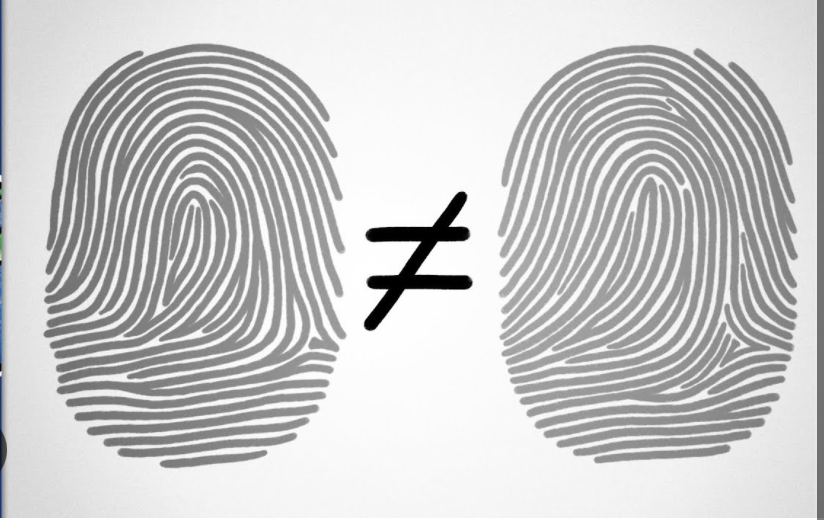

- What fact about medication and older adults surprised you the most – from either text? Please elaborate as to why you were surprised.
Overall, I am most surprised at the lack of training for doctors regarding what older patients need, the lack of geriatric specialists coupled with the lack of knowledge that older people do not respond well to traditional medical treatments and interventions, and the need more holistic care. It is dismaying that doctors lack this information and as a result, blame older patients for unexpected outcomes, instead of the system that did not prepare them properly (Aronson, 2019).
I was also upset that there is a Beers Criteria listing inappropriate medications for older patients and many do not consult it, making vast assumptions that adverse symptoms are caused by illness or old age, instead of taking a complete medical history to determine proper medicine fit. What if someone is unable to provide or verbalize their history or do not have relatives to advocate for them? I was also horrified by the lack of knowledge concerning the metabolic changes in the aging body when prescribing medication dosages and the prescription cascade of multiple medications to deal with side effects, without discontinuing any medications once symptoms subside. This is egregious practice and the fact that there are not more malpractice concerns speaks to the ignorance and marginalization of elder adults (Aronson, 2019).
Looking at the specifics of the Pharmaceutical industry, it is sobering that older people are 13% of the population but 34% of prescription drug users. More than 100,000 Americans die of adverse drug reactions, 1 million are severely injured, and 2 million are harmed in hospitals, making adverse drug affects the leading cause of death. Adverse drug reactions happen 2-3 times more among the elderly and 17% of hospitalizations for people over 70 are due to adverse drug reactions. Out of 6,000 people, almost a quarter were given the inappropriate drug! (Cruikshank, 2013).
Another concern was the heavy use of psychotropics for behavioral control in Nursing Homes and due to this, Nursing homes are now more psychiatric institutions than medical ones. The elderly in care are a captive market for drug industry sales, heavily impacting women, who are most of the residents. It is a potential public health disaster for women, full of misogyny and ageism. Despite this, the drug industry’s propaganda has a stronghold on socially constructed ideas of what aging means, looks like, and what is needed to age well (Cruikshank, 2013).
- Cruikshank talks about the natural changes that occur in our bodies as we age. Some of these changes are why drug reactions occur. What did you think of her analysis and her solutions? How did her discussion inform you about your fears of growing older?
Cruikshank details the changes that occur with age that increase medication complications: decreased organ function, metabolic changes, hormone changes, and body fat increases. There is a general lack of knowledge of appropriate dosages for elders and acceptance that drug use is the best way forward. Despite being the largest users of prescription drugs, older people are not allowed in clinical trials and men and women treated the same way in research despite biological differences. Many prescriptions and over the counter drugs and their overuse and mixing create symptoms that cause depression, false Alzheimer’s with cognitive symptoms like memory loss. Medicines used to treat depression double falls and fracture risks, potentially causing more debilitation. Cruikshank says that some of what we call aging is a reaction to long-term drug use, which is frightening.
Her analysis suggests an urgent need for more geriatricians who hold the viewpoint that any new symptom is a drug reaction until proven otherwise. Their less is more philosophy on drugs is not shared by most physicians. Geriatric specialists advise for lower dosages, prescribing with caution, monitoring reactions, seeking natural alternatives, holistic person-in-environment, patient-centered care, and avoiding drugs that have not been researched properly like those on the market less than a year.
I worry about becoming a victim of a medical system that is moving too fast to take my needs as an older adult into consideration to maximize outcomes and profits. As much as we can, it is important to be focus on preventative care and taking good care of our bodies. People are unique and their medical treatments and plans should be as well. We need to say informed about medications and make plans to advocate for our care and needs. I want to live as healthfully as possible so that I won’t need medications. And I recognize my privilege in being able to plan this way. Many do not have this option and that is unacceptable.
- Aronson uses patient examples to make her point about medication and the power dynamic of physicians. What did you think about her conversation with Irina, Dimitri’s daughter?
Luckily, in trying to help Dimitri, Aronson was able to talk to his daughter, asking questions about the changes in his health status, comparing it to the typical timeline for a Parkinson’s patient as this stage of the disease. By looking at the changes in his health in comparison to when the different drugs were administered, she could see the pattern of decline due to the medications. Coming off the medications, he was a completely different person, going from the nursing home to assisted living, but if Aronson had not had the conversation with his daughter, he probably would have died from medication complications, attributed to old age or his Parkinson’s rather than negligence. Doctors can use a patient’s age and illnesses as an excuse not to take a full medical history, and any new symptoms are seen as resulting from their age and illness rather than drugs.
Geriatric’s goal to tailor care to the patient’s individual health status, abilities, values, and care preferences, is not dependent on how healthy or sick they are. A patients end-of-life care should not be discussed without making sure the patient’s family is knows how sick the patient is and if they know what a person’s care preferences are, if they can no longer speak for himself. But again, what happens if a patient lives in isolation, has no family, or their children are not involved in their care? How do they receive the patient-centered care they deserve, if at all?
- Aronson also discusses some of the issues related to dementia in the final section of this chapter. In thinking about the Memory Loss Tapes, how did her discussion add to the
information you learned there? What do you think about the issues with her talk about dementia at the conference?
At the conference, the presenters treated Dementia like a monolith, assuming one person addressing one small part of the entire topic would create saturation at the conference. Aronson and the other presenter were looking at completely different aspects; his focus was the biology of dementia, molecular changes, and drug targets in different dementias, particularly rare types.
Aronson’s presentation was more clinical, such as precursors to dementia such as mild cognitive impairment, evaluation and risk management for dementia, and the quality of life and hospitalizations for patients with advanced dementia. They are completely different aspects but treated as the same as the scientific views which do not inform how to care for patients, what behaviors will be seen with different types of the disease, or how end-of-life dementia care for best comfort is like end-of-life cardiac and cancer care.
Dementia requires a different toolbox than traditional drug interventions, testing methods, and procedures. Like the individual cases portrayed in The Memory Loss Tapes, what is needed is how to communicate with someone with cognitive decline, how to support patients dealing with cognitive decline, caregiver support and burnout, social, behavioral and environmental approaches to symptoms, and supporting families with grief, conflict, end-of-life planning, and ethical decision making for patient-centered care. So how does the medical field marry the two sides of dementia needs? Scientific research is needed and so is holistic, human-centered care that treats human beings with dignity no matter their capacities.
- Aronson’s example of Gabow’s mother showed an excellent example of what Cruikshank described in alternative approaches. What did you think about that example? What had the biggest impact on you?
It was interesting to see that a medical professional who often adheres to standards of care had an experience of how medicine is not one size fits all in the spectrum of care. Since it was her mother, the patient was humanized, and the doctor was able to see how the standard treatment would not be what her mother wants. It would lead to stronger interventions and less autonomy, bringing a decline in the patient’s vital stats, harming, rather than helping, her.
It was surprising that forgoing the traditional surgical treatment of surgery, and instead going home and doing physical therapy, her mother fared much better than if she stayed in the hospital, where it was certain that she would most likely die. This example shows that standards are not for everyone, and not all people need or want the same treatment. Age, health status, and patient’s wishes must be considered on an individual basis in treating elders. American medicine focuses on treating the disease rather than illness, which is the unique expression in the individual’s body.
It shows the importance of knowing end-of-life wishes that allow individuals to live and die according to their values instead of extending life beyond what they want. This knowledge, along with patient-centered care, relieves the caregiver of the burden of guessing what’s best when making difficult ethical decisions on another’s behalf. without this info. The potential harms of interventions to both body and dignity need to be considered and one must look at the perron in the environment and determine what is best for that situation.
Ultimately, we need healthcare reform, so clinicians have the freedom to treat individuals. They do want to harm older patients but feel compelled to follow standards of care because that is what insurance pays for, not the alternative support care for returning home. We are paying for expensive care that is not serving patients in the ways it should and could.
References
Aronson, L. (2019). Elderhood: Redefining Aging, Transforming Medicine, Reimagining Life. Bloomsbury Publishing.
Cruikshank, M. (2013). Learning to Be Old: Gender, Culture, and Aging (3rd ed.). Rowman & Littlefield.
Hott, S., & Gordon, M. (Producers). (2009). The Memory Loss Tapes [Documentary]. HBO Documentary Films.
I also thought it was crazy that physicians were not consulting Beers Criteria regarding inappropriate medications for older patients enough, especially since they can be held accountable for errors, resulting in lawsuits, and insurance claims against their malpractice insurance. Pharmaceutical companies are well armed with attorneys to defend them from liability suits. Since they warn consumers in packaging, they have a standard where if the overall effect is better, and there are unavoidable side effects but they have informed you, then they are most likely not held accountable for harm.
You have a great interpretation here on the medical vs. illness models, explaining that the illness model “is the unique expression in the individual’s body.” This takes into account so many things that doctors don’t usually screen, especially when an older patient has symptoms which may look like mental illness, or dementia.
You also commented on end of life wishes. There are so many people who don’t want to discuss that. I had an aunt and uncle who never liked talking about it. I’ve found that when the older patient is facing a severe illness, leading to death, there is a lot more anxiety and conflict that arises when advanced planning has not been made, with documents signed as to their wishes.
Elaine,
This was an excellent post. I truly enjoyed reading your analysis and thoughts about these issues. You observations about dementia requiring a different toolbox regarding drug use is an excellent point. When dealing with dementia you have yet another issue to take into account when thinking about the effects of various drugs.
Nicely done. You used the article very well and gave clear and strong examples to make your points.
I also loved the image. Good example of a graphic that made your very point.
Dr P