

Reading Cruikshank and Aronson really opened my eyes to the different ways ageism manifests in our society. One discussion that struck me was about how older adults are often portrayed in the media, usually as frail or dependent. The example I chose is how they depicted older people as out of touch or clueless, which really hit home for me. This example impacted me because it highlighted how easily we can fall into the trap of viewing older adults through a narrow lens. It made me think about my own biases and assumptions, and how important it is to recognize the value and diversity within the aging population. From this, I learned that as a future social worker, I need to be mindful of these stereotypes and actively work against them. It taught me that aging practice should focus on empowering older adults and valuing their experiences and promoting their independence rather than reinforcing negative stereotypes.
In Cruikshank’s discussion about stereotypes of aging, she talks about how classic literature often portrays older characters as wise but also somewhat out of touch or irrelevant. For example, she references characters like King Lear, who, despite his wisdom, becomes a victim of his own age and loses his authority. This depiction really highlights the idea that society often views older adults as both respected and yet somewhat diminished in their relevance. Similarly, in Dovey’s work, there’s a discussion about how older individuals in modern-day media are often portrayed in a similar light. Dovey points out that many films and TV shows depict older characters as either the quirky grandparent or the grumpy old man who struggles to keep up with the younger generation. This not only reinforces the idea that aging is associated with a decline in capability but also limits the portrayal of older adults to these narrow stereotypes.
An example of internalized ageism in Aronson is when she mentions older individuals who downplay their accomplishments or abilities because they feel they don’t fit the “active” or “productive” mold that society expects. This internalized ageism can be incredibly damaging, as it not only affects their self-perception but also their engagement in life. An example of internalized ageism in Dovey when she recounts stories of older adults who go to great lengths to hide their age, such as excessive use of anti-aging products or even undergoing cosmetic procedures, all to combat the stigma of aging. This reflects a deep-seated belief that aging is something shameful or undesirable, which perfectly illustrates internalized ageism.
In Chapter 8 of Cruikshank’s work, “Ageism,” she emphasizes how language plays a significant role in continuing ageist attitudes. One example she cites is the use of derogatory terms when referring to older adults, such as “geezer” or “old bat.” These terms not only dehumanize older individuals but also contribute to a societal narrative that values youth over age. With Aronson, she discusses the implications of how language can influence perceptions of aging. She points out the common use of phrases like “seniors” or “the elderly,” which can create a sense of separation or otherness. Aronson argues that this kind of labeling can strip older adults of their individuality, reducing them to a demographic rather than recognizing them as unique individuals with diverse experiences and capabilities. When it comes to my own life not as much because we respect of our elders in our strong Christian community. Of course, we see this stuff like in movies or TV shows. Maybe when I was young, but I can’t recall anything.
Honestly, I took this class because I’ve always been curious about aging and how it affects people’s lives. Both Cruikshank and Aronson highlight how the terms we use can shape our perceptions of older adults, often in negative ways. It’s tough to think about how language can unintentionally devalue a whole group of people. For example, when Aronson shares her experiences as a geriatrician, the reactions she gets show how deeply ingrained these stereotypes are. People often respond with surprise or even disdain, which really highlights the stigma surrounding aging. To overcome this issue in my future practice, I would encourage open conversations with my colleagues and patients about the importance of language and how it shapes our perceptions. Creating an environment where everyone feels valued is key to combating ageism, and I believe that starts with how we communicate.
Aronson, L. (2019). Elderhood: redefining aging, transforming medicine, reimagining life(1st ed.). Bloomsbury US Trade.
Cruikshank, M. (2013). Learning to be old: gender, culture, and aging (3rd ed.). Bloomsbury US Non-Trade.
Dovey, C. (2015). What Old Age is Really Like. The New Yorker. https://www.newyorker.com/culture/cultural-comment/what-old-age-is-really-like
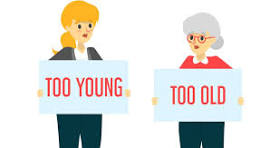
Your blog post provided a deep but thoughtful exploration of ageism and its pervasive manifestations in society, particularly through media representation and language. The examples you shared about media portrayals of older adults as either “frail” or “quirky” are striking. As, they show how these stereotypes limit our understanding of aging.
Your mention of language is pivotal. The terms we use can create barriers and can perpetuate negative stereotypes. Calling attention to these matters can create a road for change. I took notice to your strong respect for elders in the community which align with my own core values and respect for the elderly community. As you continue your journey in social work, consider how you can actively engage in advocacy efforts that challenge ageist narratives in media and society. Great Post!
Hi Davontae,
I really liked how you reflected on the stereotypes of older adults in both literature and media. You did a great job showing how those portrayals shape the way people think about aging without even realizing it. I also connected with what you said about language and how simple words or labels can create distance between generations. It’s so true that how we talk about aging can either reinforce bias or help break it down. I really respect your point about valuing elders within your community; that perspective adds so much depth to this conversation. Thanks for sharing your insights!
Davontae,
Nice job on this post. You do a great job of analyzing the articles and making the connections requested in the assignment. Well done.
I think you are lucky if you haven’t experienced ageist language in your own life. I know you have in the world around you, and definitely in your practice or working world. And while I think it is admirable that you all respect your elders in your Christian community, remember that respect sometimes doesn’t translate to a sense of value. There are lots of young people who have been taught to respect their elders, but that doesn’t mean they think their elders have something they can teach them or that they would go to them with an important question. Communities (ad yourselves may be one) who value the contribution of the elders are the ones I envy. I will tell you that the LGBTQ+_ community isn’t much better than all the others in understanding their own role in ageism. So if you have that – I envy you.
Dr P