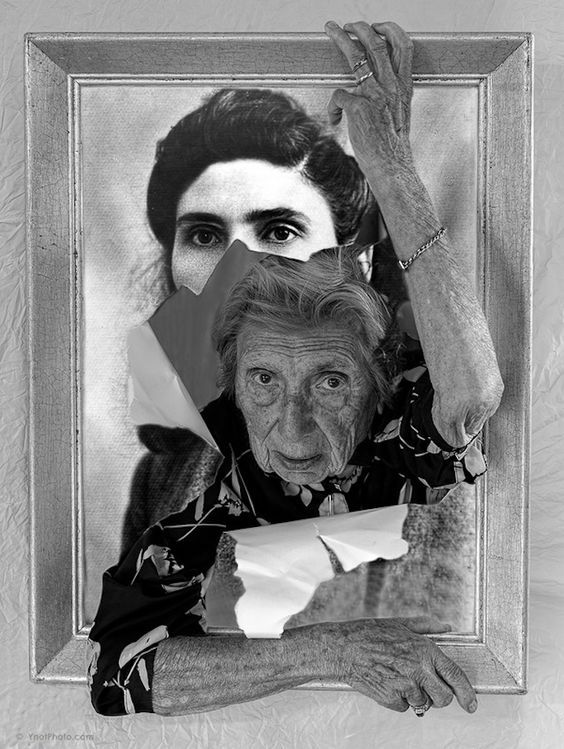

Ageism can impact older adults in various aspects of their lives, even in seemingly minor situations. Throughout my readings, I discovered that ageism affects simple tasks, such as trying to hail a cab. One story that particularly resonated with me was about Eva in Aronson’s book. She faced multiple refusals from taxis that drove away upon seeing her. Aronson witnessed this and expressed her disbelief at the driver’s behavior. She later explained that this happens because society perceives older adults as “moving too slowly, making efficiency impossible.” This example helped me realize that even a straightforward task like hailing a cab can become challenging for older adults due to ageism and the negative stereotypes associated with aging.
In her discussion of age-related stereotypes, Cruikshank (2013) draws on Gulliver’s Travels to illustrate how negative perceptions of aging have been embedded in classic literature. She highlights the depiction of the Struldbrugs, who are described as “peevish, covetous, morose, vain, talkative, envious, impotent, and incapable of friendship” (Cruikshank, 2013, Chapter 8). Although granted immortality, the Struldbrugs experience continual physical and moral decay, symbolizing the fear and disdain often associated with the aging process. Similarly, Dovey (2015) examines how contemporary media perpetuates comparable stereotypes, particularly through portrayals of older adults as “crabby, computer illiterate, and grieving for their dementia-addled wives” (Dovey, 2015, pp. 1-2). Dovey argues that such depictions contribute to society’s negative perceptions of aging, reinforcing fiction’s “standard perception of the old” (Dovey, 2015, p. 4). Both Cruikshank and Dovey demonstrate how cultural narratives—whether from classic literature or modern media—sustain ageist assumptions that equate aging with decline, illness, and emotional instability.
Aronson shares her struggles with internalized ageism, particularly regarding her gray hair. Like many women, she spent years dyeing her hair to conceal the signs of aging, often opting for a brunette shade. Although she advocates for embracing aging, she grappled with her own perceptions influenced by society’s view of gray hair as a marker of old age. Dovey, while creating characters for a story, reflected on her own attitudes towards aging. She introduced the “Generic Old Man,” who was characterized as “crabby, computer illiterate, and grieving for his dementia-addled wife,” and his counterpart, the “Old Woman,” who was described as “radical, full of energy, a fan of wearing magenta turbans, and handing out safe-sex pamphlets outside retirement homes.” (Dovey, 2015. p. 1) This process made Dovey realize that her characters represented two dominant cultural stereotypes of old age, distinctively shaped for men and women.
Language plays a critical role in perpetuating ageism, as highlighted by various authors. Cruikshank (2013) discusses “elderspeak,” a patronizing form of communication that includes simplified speech, pet names, and exaggerated tones. This type of language can erode older adults’ self-esteem and limit their meaningful engagement, particularly in medical and caregiving contexts. Dovey (2015) similarly critiques how language in literature and media portrays aging through stereotypes. Phrases like “the smiling old dear” or “the grumbling curmudgeon” reduce older adults to caricatures, reinforcing biased perceptions of aging as either decline or exceptional vitality. I have personally witnessed this type of treatment in everyday settings. For example, while dining at a restaurant, I observed a server speaking condescendingly to an older couple sitting behind me. It upset me greatly to see how they were treated, and I felt sympathy for the couple. These patterns reflect how linguistic habits shape perceptions of aging—often unconsciously. After engaging with these readings, I have become more aware of how our language choices can either reinforce stereotypes or promote respect. Now, I strive to use person-first, non-infantilizing language in my interactions.
I decided to take this class because I aspire to be a music therapist and want to establish my own practice focusing on children and older adults. As I have mentioned in previous discussions, I have family members with dementia, and I have witnessed firsthand how it impacts cognitive function and behavior in older adults. Children and older adults are two of the most vulnerable age groups, and I am eager to learn more about how to properly care for older adults, including the research and terminology related to their care. Currently, I am interning at a child grief organization, so I plan to take the Child Malpractice elective next spring to enhance my understanding of working effectively with children.
Interesting take from the readings. I also wrote down hail a cab when reading the assignment. This stuck out to me because it is crazy that something that everyone will have to experience is underappreciated by individuals. It’s like the treat others how you would to be treated and love thy neighbor saying UI grew up learning went in some of these people ears and out the other. When they get older, they will be confused at why they are treated poorly. Media has always played a huge whole inn how society view everything from products, to bedding to body types and now aging. You would think that as society mature in technology the accepts of everyone and every look would also mature, I guess that is too much like right. I can understand wanting to feel and look younger but trying to eliminate aging and stop the process is wild. I agree language messing with self-esteem of older adults but also see the big role it plays in adolescence and teens as well with the suicide attempts and rates increasing. I commend wanting to incorporate elder care and music therapy.
Something that I myself have not thought about is that women dye their hair for the fear of aging and being perceived as older. I myself have fallen victim to dying my hair as it grays because I did not want people to call me old or make fun of me. However, our readings throughout the week have reminded me that aging is a privilege and I should appreciate it because not everyone gets the chance to experience it. Moreover, you discussed how there are so many sayings and language usage against aging adults. I have never noticed the hostility that older adults have and, unfortunately, will continue to experience.
I really wanted to read your take on ageism because your photo really caught my attention. I think it is very powerful. I believe it symbolizes reclaiming visibility. She appears to be refusing to be ignored or hide because she doesn’t physically fit societies views. It displays a story, strength and resilience. And your view and connections in your blog back this photo perfectly. There are many biases about aging and your examples of hailing a cab or dying hair to avoid appearing older are all eye opening. I think the knowledge we have obtained has helped greatly to make us more self-aware of our own biases and your desire to assist older adults through music therapy is inspiring!
Alex,
You did. a great job on this post. Your analysis of the articles and readings was clear, you made connections between the various authors and you added your own experience in the mix. Well done.
I think you will be an amazing music therapist with any population. Best of luck.
Dr P