
A fact that surprised me is the fact that more than 50 percent of older adults think that depression is just something that everyone goes through. They believe that when you become old, you go through changes. The clinical diagnosis is Depression. (Mental Health, 2016) This fact alone just proves that there is a population of people who has been misinformed. Cruikshank wrote about older adults that have slowed down metabolism, polypharmacy risks, and the increased risks of vulnerability and stress. (2014; WHO, 2017) The solutions on advocating for non-pharmaceutical interventions such as community engagement and holistic care addresses SDOH and SDOMH. This just aligns and aging is a decline in a lot, this is why many people have fear in getting older. I also seen where on the counseling end, she speaks about how older adults’ voices are often looked over or diminishes during the treatment input.
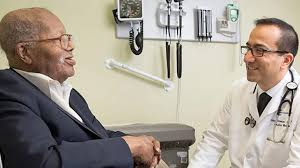
There are instances too where Doctors or those with professional power can often silence families, unless the professional makes it their business to listen intentionally. I have personally watched physicians or medial staff brush patients off. They ask a few questions then afterwards; the appointment is over. The example from Aronson, explains just how caregivers or family members should be in regards to advocating. Personally, now that my parents are older, I make it my business to attend as many appointments as I can. He also discusses and shows how dementia is often described in ways clinically that will take the humane piece away. One of my pet peeves is a person that speaks in circles or in terms that a person does not understand. There is a such thing called out of touch.
Isolation is the absolute worse for those battling with Dementia, it actually can worsen the condition. Watching the memory loss tapes displayed the reality of living with Dementia and shows us how professionals speak so technical about it, which is sort of ignoring the actual living experience. The biggest example that had impact was how Gabow’s mom benefited the most from quality of life and connections with others rather than medication. The shift from medical to holistic was basically treating aging as a stage of life that requires more connections, relationships, and the environments.
References:
Cruikshank, M. (2013). Learning to be old: Gender, culture, and aging (3rd ed.). Rowman & Littlefield.
Mental Health America. (2016). Depression in older adults: More facts. http://www.mentalhealthamerica.net/conditions/depression-older-adults-more-facts
Hi Jasmine,
I really enjoyed your points about older adults’ voices being overlooked and how families often have to advocate for them. I was also surprised to learn how many older adults think depression is just part of aging and it really highlights how misinformation can affect people’s understanding of their own health. I’ve noticed similar things in my post about how medications can affect older adults differently because of changes in metabolism, and it makes me wonder how often side effects or symptoms are misinterpreted instead of investigated. I also liked your reflection on the shift from strictly medical approaches to holistic care. Gabow’s mom’s example really stood out to me too. It’s powerful to see how quality of life, social connections, and environment can have such a big impact, sometimes more than medications. Your post gave me a lot to think about regarding how care should balance the clinical with the human side.
Jasmine,
You didn’t really talk about the specific examples from these chapters, so it is difficult for me to know that you read the material. your statements are so general that they really could have been said about almost any reading. When you write these posts, you need to think of them as mini papers.
One of the other reasons I suspect you didn’t read these chapters is because you are quoting additional material that was neither required, nor did it add much to the point the authors were making. And Aronson was the second author and I don’t see much reference to her reading at all.
Dr P