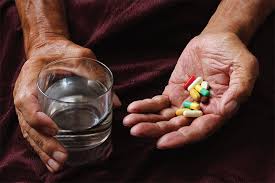

One of the most surprising and unsettling facts I encountered was in Cruikshank’s discussion of the adverse side effects of medication. According to her, a shocking number of Americans are harmed, severely injured, or even die due to medication reactions, particularly among older adults (Cruikshank, 2013). What stunned me most was how rarely this issue is discussed mainstream. I’ve always thought of medication as a positive, something helpful and healing. This information made me realize how easy it is to overlook the hidden risks, especially when medications interact poorly with age-related bodily changes.
Cruikshank’s analysis of the natural changes our body undergoes as we age, like changes in metabolism, kidney function, and body composition, sheds light on why older adults respond differently to drugs. Her solutions, which emphasized to me preventative care, lifestyle choices, and a critical lens on overmedication, were eye-opening. It made me realize that some of my fears around aging, especially the fear of losing control over my body, could be mitigated by being proactive. Making healthier choices now, like eating better and staying active, could potentially reduce my reliance on medications later in life. Her discussion didn’t erase my fear entirely, but it gave me a sense of agency. Aging doesn’t have to mean inevitable decline; it can be an opportunity to be more intentional about our health choices.
Aronson highlights the dynamic of physicians and medication. Her conversation with Svetlana, the daughter of patient Dimitri, was especially eye-opening. When Svetlana stated that “We don’t talk like that.” In response to discussing end-of-life preferences it made me reflect on how often we avoid the difficult conversations about aging and death. This moment was a turning point for me. I realized that avoiding these conversations doesn’t protect us; it increases the emotional burden later. If we don’t talk about things like DNR orders or what kind of care we want when we can no longer speak for ourselves, our loved ones are left guessing, sometimes at the worst possible time. Having those “hard talks” ahead of time is a profound act of care, not just for ourselves, but for the people we love.
In the final sections of the chapter, Aronson discusses dementia and the often one-dimensional view the medical world takes on it. This connected deeply with what I learned from The Memory Loss Tapes, which also showcased the human side of dementia, the confusion, the moments of joy, the fading, and the remembering. Aronson’s critique of how dementia is treated in clinical settings reinforced how important it is to see the person behind the diagnosis. Dementia is not just a checklist of symptoms; it’s an experience that affects identity, relationships, and dignity. Her insights reminded me that compassion, patience, and person-centered care are just as critical as any medical treatment.
Finally, the example of Gabow’s mother was an exceptional example of alternative approaches. Gabow, having the resources, knowledge, and foresight to have early conversations with her mother, was able to advocate for care that honored her mother’s wishes. Instead of defaulting to the aggressive and often dehumanizing treatments of traditional healthcare systems, she chose a path that aligned with her mother’s values. What resonated with me most was not just the outcome, but the access to options that many others might not have. Gabow’s ability to make those decisions was rooted in her authority, financial resources, and a clear understanding of what her mother wanted. It made me think about how socio-economic privilege often determines whether someone can choose a dignified, comfortable path and how unfair it is for those who cannot. The readings challenged me as a person to be more open, more prepared, and more compassionate.
Hey Anjolie! I really connected with your point about how surprising it is that the risks of medication aren’t talked about more. Like you, I’ve always thought of medicine as something that heals, not something that could be so dangerous, especially for older adults. Cruikshank’s statistics really made me rethink how easily overmedication can happen and how important preventative care is.
I also appreciated what you said about the “hard talks” around end-of-life care. I agree that avoiding them doesn’t protect us, but instead, it only makes things more complicated down the line. Aronson’s example with Svetlana showed just how much stress families carry when those conversations don’t happen. It reminded me that planning ahead is actually a gift to our loved ones.
I am really touched by your reflection on this week’s texts. Your focus on centering and empowering the patient speaks volumes about the care you will provide to your clients. It is alarming the way Big Pharma uses media to misinform the public. I will never look at drug commercials the same way. I completely agree with how you highlight the importance of transparency and honesty in difficult conversations, as they are not only necessary for dignified aging but also foster a deeper connection within a family. Finally, the ownership you adopt to give yourself the best chance to age well will undoubtedly inspire others to do the same.
Hey Anjolie
I think its great that you brought up the point on the side effects of medication. I didn’t know that such a major portion of people get harmed, injured, and even end up passing away due to the medication reacting poorly. I also agree with you on the fact that many of these things can be resolved or managed in a better way such as eating healthier and having healthier habits. Thank you for sharing.
Anjolie,
You did a really nice job on this post. We really do have to see our relationship with physicians as partnerships in order to benefit from the positive aspects of modern medicine, while at the same time questioning the moments when it might not be the best for us. That isn’t always an easy thing to do.
In terms of being proactive – you go! That is exactly what can make the difference. And finally, I hope that we will have a panel discussion on the difficult conversations about death and dying at the end of the semester.
Dr P