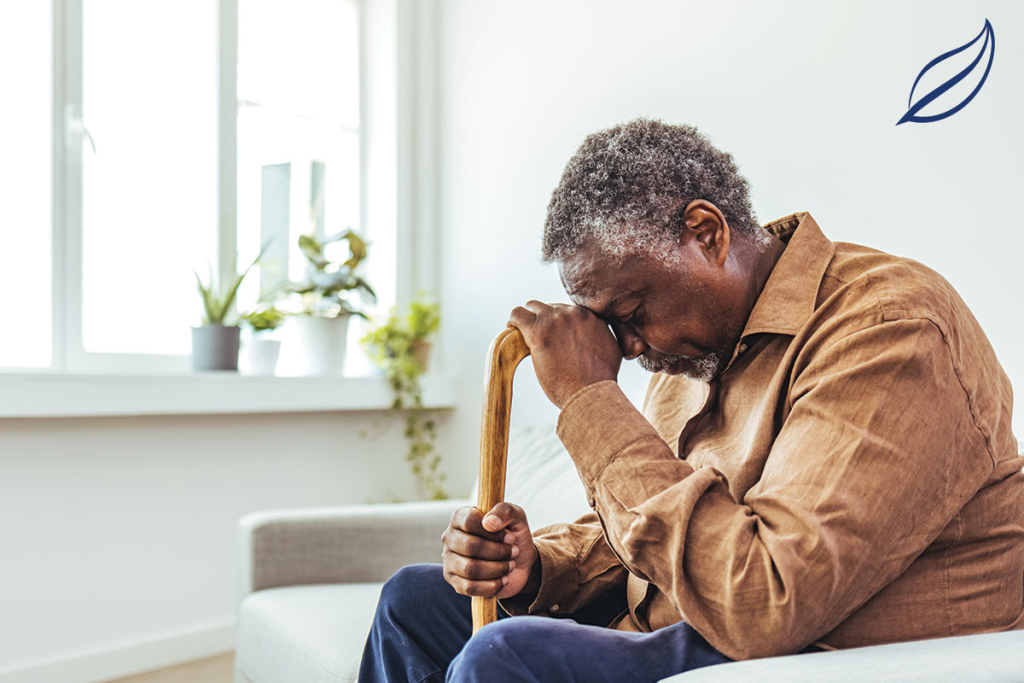

In Module 1, I identified dementia as one of my greatest fears related to aging. Putting myself in the situation of living with this condition, I realize that it would impact my life on multiple levels. Physically, dementia would impair my cognitive abilities, affecting my memory, decision-making, and my independence. Socially, it would interfere with my ability to communicate clearly and maintain coherent conversations, which would likely affect my relationships with others. I imagine this would create distance between myself and those I love, making it harder to connect with my husband, sons, and friends in ways I always have. The thought of not being able to engage in meaningful interaction is deeply fearful for me. Financially, managing a condition like dementia, I imagine, would be costly. The burden of care, medications, and possible long-term support would affect not only me, but also my husband and our two sons, depending on the financial resources we have access to.
My initial feelings about dementia are rooted in fear and worry. As I mentioned in the Week 1 blog post, the idea of forgetting core memories, special events, significant accomplishments, or even who my children are is something I can’t fathom. It scares me to think of losing those pieces of my life that I’ve worked so hard to build and cherish.
When I imagine an ideal life as an older adult, I envision aging gracefully, enjoying the fruits of my labor of hard work. I see myself and my husband enjoying retirement, spending time with our grandchildren, and watching our sons achieve their dreams. I hope to look back on life with pride and clarity. A condition like dementia would significantly change that vision. It would rob me of the ability to fully appreciate the life I’ve lived and disconnect me from the very people and experiences that I shaped.
When I think about the CARA model of aging and the GRRs that would help me to manage a condition like dementia to achieve resilience, I would need to rely on those tied to individual capital. This would include the assets that I have built through years of hard work, such as retirement savings, health insurance, access to quality healthcare, and savings. Community capital would be important as well. Do I live in a community that values and supports the aging population, or do I reside in a marginalized community? Are there local programs, memory care facilities, or support groups for individuals with dementia and their caregivers?
Resilience in this situation would mean being surrounded by resources that allow me to maintain as much independence and dignity as possible. It would mean that I am still seen, heard, valued, and supported by family, healthcare providers, and my community. Through thoughtful planning and a supportive environment, I would be able to face dementia with grace and the reassurance that I am not facing it alone.
The article that I found explored the needs of older adults with dementia living at home in Poland by examining both their own perspectives and those of their informal caregivers. The study found that caregivers reported more unmet needs than the individuals with dementia, particularly in areas like daily functioning, emotional support, and social connection. This article gave me a deeper appreciation for how complex and wide-ranging the needs of people with dementia really are, especially those living at home. Before reading it, I understood dementia mostly as a cognitive condition, but research highlighted just how much it affects a person’s daily functioning, emotional health, and social life. What stood out to me was the emphasis on the need for personalized care tailored to each person’s situation. This directly connects to what I discussed in my post about the importance of planning ahead and having strong community resources in place to support both individuals with dementia and their families. It reinforced my belief that resilience in aging, especially when facing a condition like dementia, relies heavily on access to supportive services, financial preparedness, and a community that prioritizes the well-being of its aging population.
Mazurek J, Szcześniak D, Urbańska K, Dröes R-M, Rymaszewska J. Met and unmet care needs of older people with dementia living at home: Personal and informal carers’ perspectives. Dementia. 2017;18(6):1963-1975. doi:10.1177/1471301217733233
I really appreciated reading your post because you highlighted the many ways dementia can affect not only the person living with it, but also their family. Your reflection on the fear of losing meaningful connections with your husband, sons, and friends really resonated with me. It reminded me that dementia impacts relationships just as much as memory. I share that fear as well. Watching a family member go through the early stages has been difficult, and it has definitely changed the dynamic of our relationship. After going through this module, I hope to find ways to strengthen and improve our relationship. Great blog!
Hi Anjolie,
I really appreciate the honesty and depth you shared in your post. The way you described how dementia could affect not only your independence but also your relationships with your husband, sons, and friends felt very real and heartfelt. I admire how you connected those fears with the CARA model and highlighted the importance of both personal and community resources. It shows such thoughtful reflection. I also found your point about caregivers’ unmet needs really eye-opening. It’s clear you’ve put a lot of care into thinking about resilience and dignity in aging, and your perspective adds so much to our class.
Anjoie,
I was right with you through most of this post. Your discussion of the impact of dementia on your own vision of aging was well written and you outlined all the issues well. While I might like to dispell all of you about all the fear you feel, far be it from me to try and do that. Your discussion about the GRRs was well done also. Financial resources will be important as we age, regardless of the “conditions” we might experience. Paying attention to the community around us is one of the most important things we can do – not when we are older adults – but all through our lives.
You lost me when you got to the article. Really, Poland? I realize it meets the literal requirements of the assignment, but I know there are lots and lots of important articles about living with dmenetia as we age in this country. Personalized care is totally based on the available health care system – right? What might that be in Poland? Just curious. And just because I use the word summary, it doesn’t mean you don’t have to reference information in your summary back to the article.
Dr P