
When I really step into the shoes of someone facing cognitive decline as they age, the toll becomes vividly real and somewhat frightening. Physically, I imagine struggling with everyday tasks, such as forgetting appointments, misplacing items, or even experiencing confusion in routine activities. Emotionally, there is an engulfing anxiety of losing myself. Socially, I anticipate withdrawing from friends and family because conversations might feel overwhelming, which could lead to fewer invitations and increased distance between me and my circle. Financially, I worry about rising medical expenses, the cost of support services, and/or caregiver assistance. There is also the dreaded possibility of needing safer living arrangements. My initial reaction? A wave of helplessness and dread.
That imagined trajectory disrupts my “ideal” vision of vibrant aging, which consists of remaining mentally sharp, actively engaged, and self-reliant. Instead of mentoring grandchildren, I might worry about forgetting their names. Rather than volunteering, I might avoid group activities. My core values of learning, connection, and autonomy would remain the same in desire, but the reality shifts. What once felt achievable now seems precarious, and I worry about becoming a burden. The life I hoped for feels threatened, and that tension between desire and fear sharpens the emotional impact.
The CARA model of aging reminds us that resilience is not about avoiding decline altogether but about leveraging strengths and supports. With the use of General Resistance Resources (GRRs), resilience is still within reach.
A day in my life…
Morning: I would start my day with prayer (spiritual GRR) to set a positive mindset, followed by reading the newspaper and completing my favorite Sudoku puzzle or playing Queens on LinkedIn (personal GRR: cognitive stimulation). With my pill organizer and digital smart home (equipped with integrated phone reminders), I could manage my medications independently (material GRR: assistive technology).
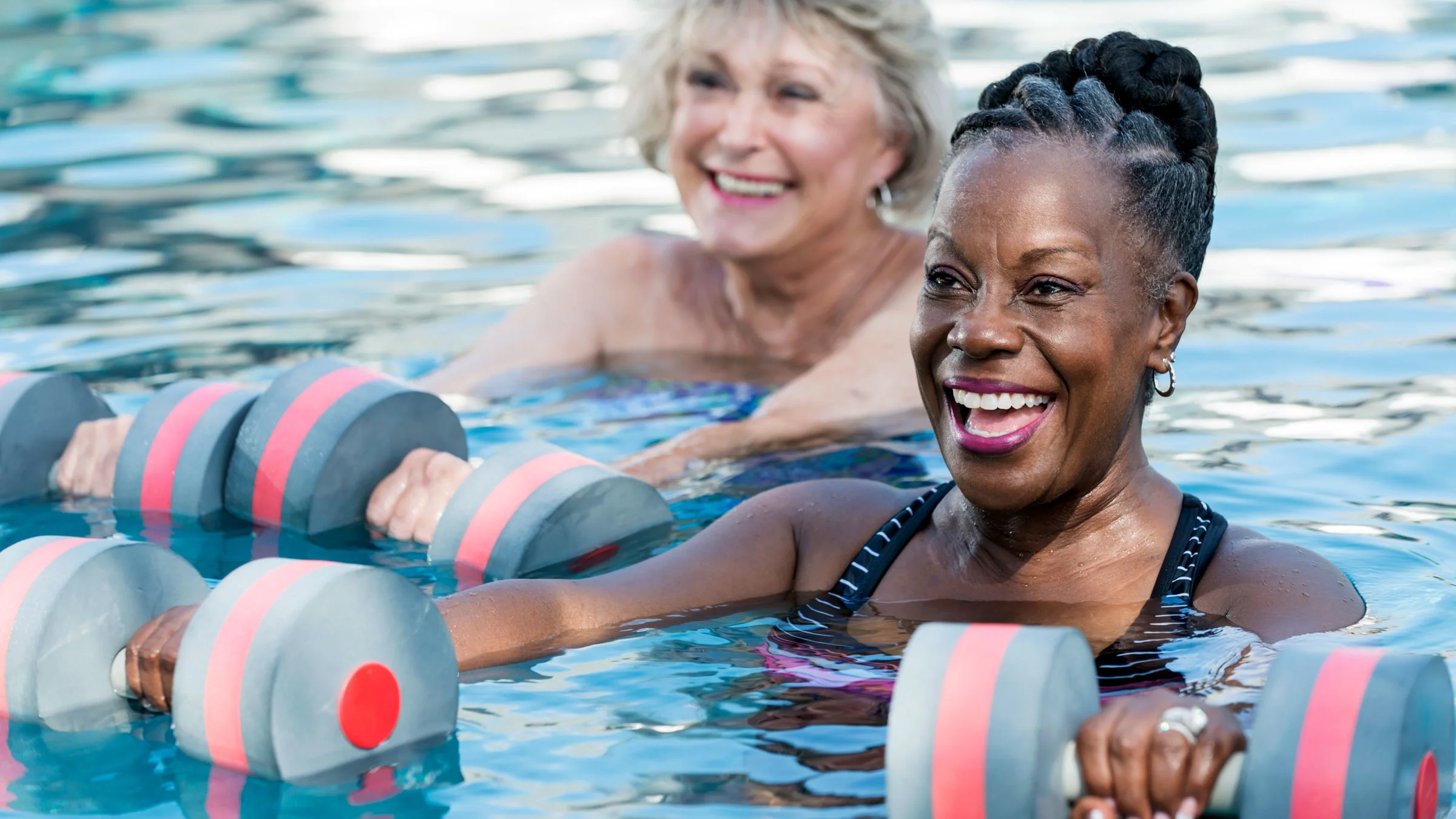
Midday: I have always loved to dance, so going to my Shine Dance Fitness Lite class or Zumba Swim Aqua class would be the highlight of my day (environmental GRR: community resource; personal GRR: physical health).
Afternoon: This part of the day would be for me. I love my hydroponic garden in my sunroom (I can’t garden outside anymore because my skin has become too sensitive). After tending to my garden, I would enjoy listening to an audiobook while soaking in the warmth of the sun without the UV rays (personal GRR: learning and cognitive activity).
Evening: As the day winds down, my granddaughters would come over for dinner, and I would love their stories and jokes (social GRR). They would also help me review my next week’s calendar with the help of a large-print planner and smartphone alerts (material GRR). Before bed, I would write down three blessings I am grateful for (spiritual GRR: fostering meaning and resilience).
I came across a powerful, open-access study by Dhana et al. (2025) titled Cognitive Activity From Early to Late Life and the Risk of Alzheimer’s Dementia. The researchers followed nearly 2,000 older adults in the Chicago Health and Aging Project for almost two decades, measuring cognitive engagement across life stages, from childhood reading and games, to mentally demanding jobs in midlife, to intellectually stimulating hobbies like museum visits or playing games in late life. Strikingly, while childhood activity did not seem to protect against Alzheimer’s, increased cognitive activity in midlife reduced dementia risk by about 34%, and in late life, the protection rose to 50% (Dhana et al., 2025). Discovering this made the fear of cognitive decline feel less like an inevitable tragedy and more like something I could actively shape. It reinforced my belief in what the CARA model suggests: resilience is not about denying the possibility of decline but about cultivating and mobilizing GRRs. Resilience looks like weaving these GRRs together into a safety net.
References
Dhana, K., Wang, T., Schneider, J. A., Buchman, A. S., Bennett, D. A., & Barnes, L. L. (2025). Cognitive activity from early to late life and the risk of Alzheimer’s dementia: A life-course study. Neurology, 105(2), e123–e132. https://www.neurology.org/doi/10.1212/WN9.0000000000000002
I loved reading your post! Especially with the detailed daily schedule.I found it especially interesting that cognitive activity in midlife and late life had a more substantial protective effect than early-life engagement. It makes the idea of lifelong learning and staying mentally active feel not only beneficial but essential. I also appreciated how you connected it to the CARA model and the concept of GRRs. Framing resilience as something we can build over time through intentional actions is both empowering and motivating
I can really feel the pressure, dread, and worry of facing these situations! It’s so much to deal with all at once on so many levels. It feels challenging to be optimistic and strong about a vision of the future in the face of so many uncertainties in terms of what life will look like and what is achievable. I like how you articulated, “My core values of learning, connection, and autonomy would remain the same in desire, but the reality shifts.” It’s true the CARA model does give options in terms of resilience and making the most of what you do have. I also appreciate how your GRRs are balanced between spiritual, material, environmental, personal, and social. I’m grateful there’s been so much research on the brain and interventions that work such as increasing cognitive activity in midlife and at such high percentages. I also like your image of weaving the GRRs into a safety net to support and build resilience.
Hi Kacey,
I connected with your blog because, as a veteran, I deal with physical limitations and pain from my military service, and some days it makes even simple tasks feel overwhelming. Reading your reflections on cognitive decline reminded me how those struggles can compound when the mind is affected too. I like how you used the CARA model to frame resilience and highlighted GRRs like prayer, dance, and family support your daily routine shows such a hopeful balance of independence and connection. I also found the study you shared really encouraging, especially the part about how late life cognitive activity can still reduce the risk of Alzheimer’s. It makes me feel like, even with the challenges we face, we can still build resilience by leaning into the strengths and resources we have. Thank for the great read, I’ll see you in class. I look forward to your next readings.
Kacey,
This was a really nicer job in this post. I love your description of your day – excellent way to talk about GRRs. And the article is really interesting. Thanks for bringing it to all of us.
Dr P