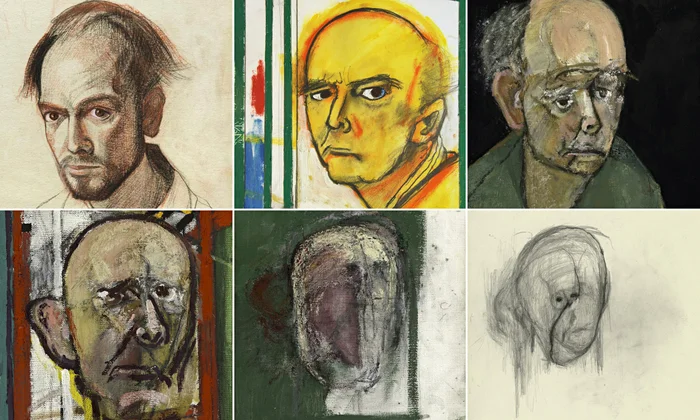

In my previous discussion post, I shared my fear of developing dementia. This condition is something I understand well, as I have witnessed how it profoundly impacts families. Dementia runs in both sides of my family, which increases my chances of developing it in the future. I have seen how dementia causes people to lose their memories, mobility, and even undergo behavioral changes. It feels as if, once someone develops dementia, they become a shell of their former self. If I were to experience this, I worry that my memories would fade, and I would no longer recognize my loved ones. My spouse and children would have to care for me, and the thought of them enduring that while I fail to remember them is heartbreaking.
I have known about dementia my whole life. I watched my great-grandmother struggle with it when I was younger, and looking back, I feel regret for how I treated her. I would often feel sad and upset when she didn’t remember me, even though she had been a part of my life for as long as I could remember. I didn’t understand why she couldn’t recognize me at the time, and now that I’m older, I wish I had acted differently. Dementia continues to affect both sides of my family, and I never know who it will impact next.
As I enter older adulthood, I hope to spend my time traveling the world and enjoying life to the fullest. However, dementia would prevent me from doing these things. Even something as simple as going out to enjoy my favorite meal at a restaurant could become challenging due to potential personality changes and altered behavior associated with the condition.
The CARA model offers an alternative perspective on how individuals cope with the challenges of dementia. By applying this model, I would emphasize the importance of family and other support systems that help reduce stress and maintain my mental health during difficult times. Within this framework, General Resilience Resources (GRRs) play a crucial role in fostering resilience among both individuals and caregivers. For instance, psychological resources such as a strong sense of coherence and effective emotional regulation empower them to view dementia not merely as a loss but as a manageable challenge.
The article “Resilience in Dementia: Perspectives of Those Living with Dementia” (Williamson, Paslawski et al., 2016) provided valuable insights into how individuals affected by dementia, along with their caregivers, exhibit resilience. Although the study had a small sample size, consisting of only seven individuals with dementia and five care partners, it still offered meaningful information about the experiences of a select group of people. The authors noted that participants with dementia completed several assessments, including the Montreal Cognitive Assessment (MoCA; Nasreddine et al., 2005), the World Health Organization Quality of Life–BREF (WHOQOL-BREF, 2004), and the Geriatric Depression Scale (GDS; Sheikh & Yesavage, 1986) to evaluate their cognitive abilities. The results indicated that environmental changes played a crucial role in supporting resilience among individuals with dementia. Factors such as sensitivity to noise, crowds, and alterations in daily routines significantly influenced their emotional well-being.
Regarding resilience, the study identified eight key factors that contribute to resilience in both individuals with dementia and their caregivers. These factors were grouped into three themes: “active and purposeful living,” “perspective,” and “resources.” This article provided me with deeper insight into how people with dementia and their caregivers maintain resilience despite living with chronic conditions.
References
Williamson, T., & Paslawski, T. (2016). Resilience in dementia: Perspectives of those living with Dementia. Canadian Journal of Speech-Language Pathology and Audiology, 40(1), 1–15.
Alexandria, I am really struck by how, through caring for your family, you are developing your own sense of resilience for your future self. It’s fascinating how developmentally appropriate reactions, such as your younger self’s response to your great-grandmother, can come back to haunt us in a way. I hope you can find a way to reframe that thinking and use the knowledge to inform and empower your own children in their understanding of dementia and how best to care for those experiencing it.
I also used an article with a small number of participants, but it’s incredible how much value you can derive from a study focused on this demographic.
.
Alexandria,
I understand why you experience fear when thinking about your own aging and the possibility of developing dementia. After reading your post, I totally get the image you chose as well. For you, the experience of dementia has really been about becoming un-recognizable.
Please don’t hear me as minimizing your fears in any way. I would simply encourage you to remember that you were very young when your granmother had dementia and the perspectives of a younger person are different. Hopefully we are better at having the conversations about dementia now than we were when you were young. Knowledge and information can help.
I found it interesting that you chose a study that is almost 10 years old and only had 7 dementia patients in it. Clearly it was more qualitative than quantitative – something I prefer myself, so no criticism intended. I was just surprised that you chose an article with those perameters. There are so many studies out there now about dementia, resilience and care-giving. Plus this study was in Canada, where the health system is quite different.
You actually had a chance to take the three themes they grouped the factors of resilience in – and apply them almost directly to the discussion of GRRs. They are almost exactly the same things, right? I guess I’m suggesting that when you get to the point where you want more data about dementia, broaden your search. There is a great deal out there these days and you may find more optimism in learning more about what’s happening. Maybe not, because it’s still a crappy disease, but I think you might find more data about how to build that GRR community.
Good job on the blog post.
Dr P