
Blog Post 1 – Introductions and the Meaning of Aging
By: Mike-Anthony Fields
1. Introductions
Hi everyone my name is Mike-Anthony, and I’m excited to be part of this class and conversation around aging.
One thing I’d like to share about myself is that I’m passionate about learning people’s stories. I believe everyone has a unique journey, and as someone interested in social work, I find it powerful to hear how people have navigated life’s highs and lows.
A bit more about me, I’m an Army veteran and the experience has shaped much of who I am today. As a result of trauma during my military service, I already experience some memory issues, which has made me especially sensitive to conversations around cognitive health and aging. I also have an identical twin brother, and I’m newly married to my amazing wife, Kandace. Outside of academics and service, music plays a big role in my life I play four instruments: piano, organ, drums, and bass guitar.
My experience with older adults includes both personal and professional interactions. Personally, I grew up close to my grandparents and was very involved in their care as they aged. That experience opened my eyes to the realities of aging both the joys of wisdom and connection, and the challenges of illness and loss. Professionally, I’ve had opportunities to volunteer at local senior centers and assist with programs for older adults in my community. These experiences deepened my interest in gerontological social work.
From this class, I hope to gain a deeper understanding of aging from a social work perspective how to best support older adults, address systemic challenges they face, and advocate for policies that promote dignity and quality of life for them.
2. The Meaning of Aging
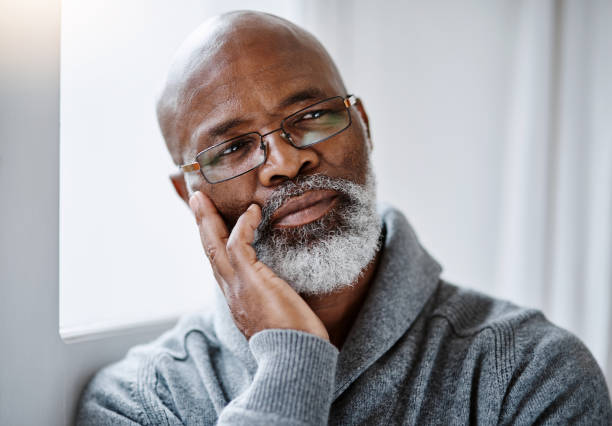
When I think about the terms “older adulthood” or “later life,” I associate them with a period of reflection, transition, and potential growth. Right now, in my life, those terms also bring up thoughts of vulnerability how people in this stage may be overlooked or misunderstood but also of resilience and wisdom.
When I hear these terms, I imagine people in their 70s and 80s, engaging in different ways with life some slowing down, some staying active, others dealing with physical or cognitive challenges, but all carrying a lifetime of experience.
Personally, I think I’ll start to see myself as an “older adult” around the age of 70.
When I picture myself in that stage of life:
-
How will I look and feel? – I hope to look like someone who has lived fully a few wrinkles, maybe some gray hair, but still smiling. I hope to feel content, calm, and at peace with where I am.
-
How will my health be? – Ideally, I’ll be relatively healthy and independent, though I understand that may not always be in my control. I aim to stay active and take care of myself in preparation for that time.
-
How will I spend my time? – I imagine spending time with family, mentoring young people, maybe even traveling or doing community work if I’m able.
-
What will bring me pleasure? – Connection with others, nature, music, and continuing to learn even in old age, I don’t want to stop growing.
One problem of aging that I fear is dementia. The idea of losing my memory or sense of self is deeply unsettling to me — especially because I already deal with memory issues related to my time in the military. It’s not just about forgetting things
it’s the potential loss of autonomy, identity, and connection with loved ones that concerns me most. I’ve seen how hard it can be for both the individual and their family, and it’s something I hope more research and care innovations can address in the future.
Hi Mike-Anthony,
I really admire your passion for learning people’s stories—that mindset is such a gift in social work. Your military service and the challenges you’ve faced have clearly shaped a deep empathy and sensitivity, especially around cognitive health, and I think that perspective will be so meaningful in this field. I also grew up close to my grandparents, and the memories I have with my grandmother are ones I will always cherish. The way you described aging as both vulnerable and resilient really stood out to me, and I can relate to your concern about dementia. It’s also a real fear of mine, and I appreciate the hope you shared in future research and innovations.
I’m looking forward to learning alongside you this semester!
Hi Mike-Anthony,
I appreciate that you point out how much variation exists in later life and that it can take on different meanings. It’s also very important for me to continue growing and learning throughout life. I hope that my later years are unpredictable in the sense that I hope to grow, change for the better, and learn things that I never thought possible. Thank you for sharing 🙂
Hi Mike-Anthony,
Thank you for such an open and inspiring introduction! Your background as an Army veteran, musician, and now a social work student brings such depth to this class. I admire how you’ve turned personal challenges, like your memory issues, into motivation to advocate for others facing similar concerns in aging.
It’s powerful that you’ve combined both personal and professional experiences with older adults, and your perspective will be such an asset to our discussions. I also love how music and storytelling shape your life, it shows your empathy and creativity. I look forward to learning from you this semester!
Mike-Anthony,
Thank you for sharing your experiences. We all appreciate it. I am impressed by the. number of you who have musical talent and have experienced the joy of music. And add to that the joy of being “newly” married – i think you have much to make your grateful. The opportunity to experience aging with family always gives you a perspective that only that experience can bring. So many don’t have that opportunity these days.
Your fear of dementia is shared by many of your classmates. We will begin with that topic when we listen to and discuss our first podcast session with Jim. Fox. I think you will find the discussion enlightening. I also think you will appreciate Aronson’s discussion of the relationship between aging and the medical profession. I look forward to many conversations.
Dr P