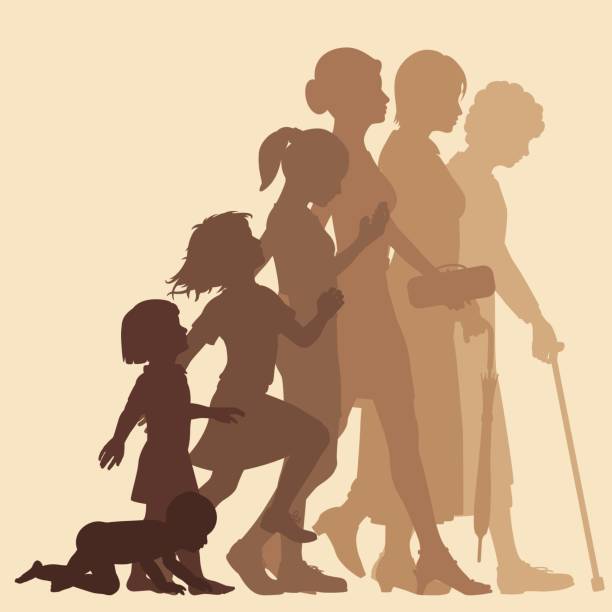

Hi all! My name is Santia, I am originally from Miami, FL and December will make it 3 years since moving to Atlanta.
Personally, I was fortunate to grow up in a multi-generational household with my maternal grandparents, who lived to be 94 and 96. I was also surrounded by many older adult aunts, uncles, and cousins because my mother was one of 10 children and my father one of 16.
Professionally, I have a passion for advocating for older adults. My experience began in my senior year in high school, where I volunteered at a nursing home, providing companionship to older adult patients in hospice care. I have also spent the past few years of my career focusing on advocating for older adults living with HIV/AIDS who are also unhoused and dealing with substance abuse and/or mental health challenges.
From taking this class, I hope to gain a deeper understanding of the mechanism behind aging and to learn practical skills for both my personal and professional life, such as improved care and improving the mental and physical well-being of the aging adults, especially as my parents enter into retirement. This is also what I imagine when I hear the terms “older adulthood” or “later in life” and which I would consider chronologically beginning around 65 years of age. At this point in my life, I envision myself entering into retirement, in good health, and spending my time traveling with my husband and enjoying the company of my grandchildren. However, a particular problem of aging I fear is declining health that hinders mobility and/or independence. This condition concerns me because of my history with volunteering at a nursing home and seeing aging adults face mistreatment and abandonment.
Santia,
Thank you for sharing your experiences and your thoughts. I look forward to hearing more about these issues in your next post. I am impressed with your work with older adults with HIV/AIDs who are unhoused. That offers a unique perspective on this population. And then when you couple that with your experience of living in a multi-generational household, I think you bring many perspectives to this discussion.
I think you will enjoy Cruikshank, as she challenges the traditional perspectives about aging in our country. Also, Aronson addresses the medical response to aging. I think both will help give you an even broader understanding of the experience of aging.
PS: Love the photo.
I look forward to many conversations.
Dr P