
Hello Class! My name is Elizabeth, but I go by Liz. I’m currently a junior here at GSU, and I’m very happy to be a part of the Social Work Program. I currently work for Progressive Insurance as an estimator, where I visit auto body shops to inspect vehicles, which I know is very different from the social work field. Through my job, I do interact with older adults from time to time, although many of them are not directly working on the vehicles and instead work in administrative roles at the shops I visit. Outside of work, I don’t regularly interact with many older adults other than my aunt. I always say that my aunt is not your typical 79-year-old. She stays active, is always on the go, and has a lot of energy, but she also has the wisdom and life experiences that come with her age, and I’m grateful to have her in my life. While my aunt is a big part of my personal experience with older adults, my interest in this course comes from my experience with my mother. My mom was diagnosed with dementia in 2020 at the age of 62 and passed away the following year in April. Her experience had a lasting impact on me, and I hope this course will help me better understand the needs of older adults and learn more about the role of a gerontological social worker.
When it comes to older adulthood, I used to dread getting older and would often feel afraid of what the future would hold. I think many people have similar feelings when it comes to the idea of aging. However, now when I hear terms like “older adulthood” or “later life,” I feel more optimistic. I feel like my younger years have been somewhat of a rollercoaster, and as I’ve gotten older, I’ve started accomplishing more of the things I want in life. Because of this, I’m actually looking forward to this stage of my life and feel more positive about entering older adulthood.
I believe 60 is a reasonable age to begin considering yourself an older adult or at least entering the beginning stages of older adulthood. God willing, when I reach 60, one of my biggest hopes is to still be healthy and able to enjoy life. I’ll admit that I sometimes slack off when it comes to eating healthy, and I’m not currently working out regularly. However, I did sign up for a gym membership last week, which I consider a step in the right direction. I plan to start going to the gym regularly in September and continue making healthier choices as I get older. When I picture myself in older adulthood, I see myself traveling even more than I do now and enjoying new experiences. I don’t have any children right now, but if I decide to have children in the future, spending time with my family will also be extremely important to me. I also still see myself being involved in the social work field. Although I may be retired from my career at that point, I can still see myself doing advocacy work and finding ways to help others.
As I mentioned earlier, my mother was diagnosed with dementia at the age of 62 in 2020, so I have to admit that growing older does scare me a little. To my knowledge, dementia does not run in my family, but it still concerns me because my mother was diagnosed at a relatively young age. My mother also had diabetes and high blood pressure, and I have recently learned that these conditions can increase the risk of developing dementia. Knowing this and witnessing what my mother experienced has made me take my own health more seriously. It has also made me realize that the choices I make now can have an impact on my health later in life. I want to do what I can to take care of myself so that, God willing, I can make it to that stage of life and experience older adulthood in a healthy and fulfilling way.
Liz,
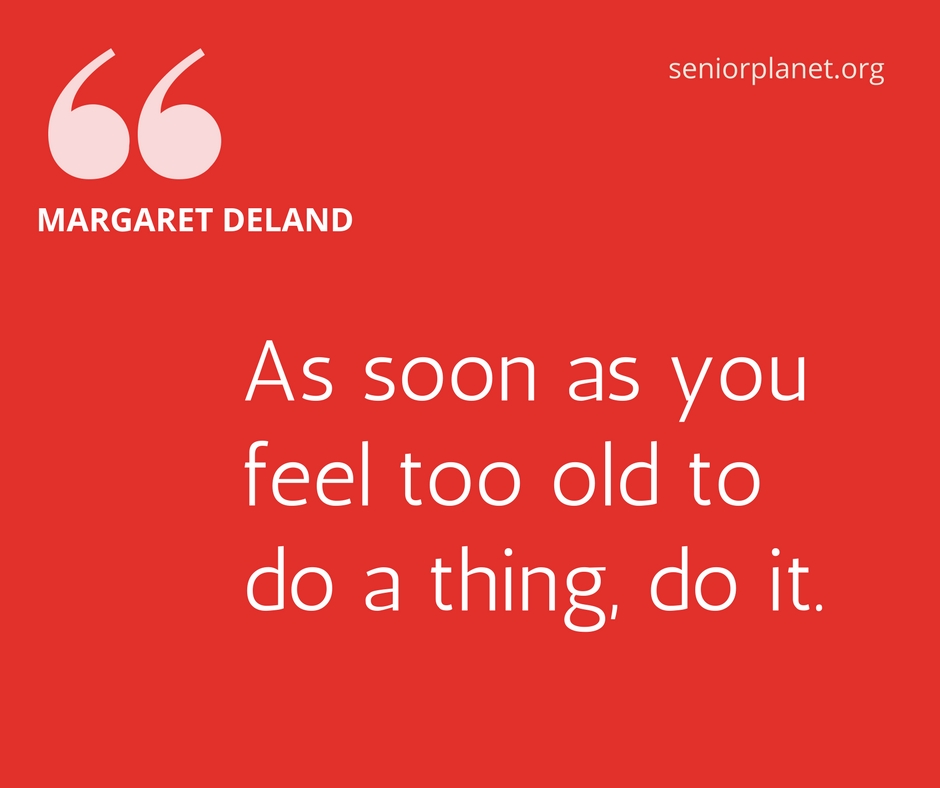
I love the image and the quote.
Thank you for sharing your experiences with us. I, too, think you are fortunate to have an older adult family member in your life who supports you. I have lost my Mom and all four of her siblings over the last 10 years, and I admit to missing them for all the reasons you appreciate your aunt. There is something about turning to the older adult with that question no one else can answer, right?
I am sorry about your Mom. Caring for a family member with dementia is both difficult and has a powerful impact on our view of aging. I agree with you that other conditions can indeed contribute to the development of dementia, but we still don’t know as much as I wish we did about the disease.
Just an FYI, we do have a module on dementia coming up, and I just wanted to let you know it may trigger some things for you. Please watch the podcast in pieces, and if you have any problems, just let me know.
I agree that as we build our lives, the idea of aging seems less daunting, doesn’t it? It’s like we start to see a foundation we can use when we get to later life. I’m not sure it’s totally logical, but it makes sense to me. Doing what we can, working to stay healthy and then enjoying what we have seem to be the best things to do.
I think you will enjoy the article by Ursula K. Le Guin, “The Sissy Strikes Back.” It’s where the phrase “old age is for anyone who gets there” comes from. I am looking forward to the conversations.
Dr P
Liz, thank you for sharing such a personal reflection. I am sorry for the loss of your mother, especially so soon after her dementia diagnosis. Your experience resonated with me because I lost my father to cancer when he was 48, and my grandfather was placed in an assisted living facility because of his dementia and other mental health issues. Those experiences showed me how illness and aging can affect not only an individual but the entire family. I admire how you have transformed your concerns about aging into motivation to make healthier choices while remaining optimistic about your future. Your desire to continue traveling, enjoying family, and advocating for others demonstrates that later life can still be purposeful and fulfilling.
After reading your post, I will be more intentional about caring for my health now, valuing the time I have with my older loved ones, and preparing to support aging individuals and their families with greater empathy.