The Syllabus
Here are the main parts of the syllabus for this class. A FULL syllabus is available in iCollege in the Welcome module. But there is always so much additional information included; I thought it might be useful to give you a selected overview of the most important elements for success in this class. I hope you find it helpful. If you would rather just read the full syllabus or print it out, you can find it in the Welcome module on iCollege.
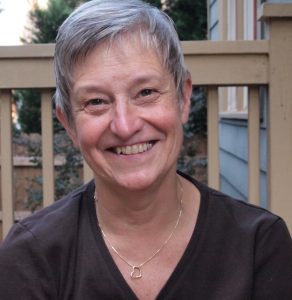
Where is Dr P?
Communication and information

Texts
Information about your textbooks

Assignments
Assignments for the semester

Using Perusall
What the heck is Perusall?
This course requires two books. YOU WILL NEED TO PURCHASE THESE TEXTBOOKS THROUGH PERUSALL. You can choose based on how long you need access to the book. If you use financial aid for your textbook purchases, the purchase section of our class Perusall page explains how to get the bookstore code.
I know that some of you love actual books, and the Perusall purchase requires a digital copy. However, we will use the texts for our Perusall Discussion assignments, so this purchase is required to complete them.
WHY TWO TEXTS: I wanted you to know about these particular books, the reasons I chose them, and the ways they are different. I also think it helps to know a little about the author before you begin a text. Humor me.
Cruikshank, M. (2013). Learning to be old: Gender, culture, and aging (3rd ed.). Rowman & Littlefield.
Margaret Cruikshank is retired from the women’s studies program at the University of Maine, where she was also a faculty associate of the Center on Aging. The premise of her book is that aging, particularly in our culture, is socially constructed. In other words, it is more about culture, beliefs, customs, and traditions than it is about the biology of aging. And yet, our aging bodies must be part of the conversation. Think back to my video about the paradox of chronological age regarding the Theories of Aging.
The second reason I chose this book (among many others) is that Cruikshank challenges the many myths we hold about aging. She exposes how the things we assume about aging, often socially created myths, have created a view of aging as something to avoid – to run away from. She grounds the discussion in history, theoretical views, and real-life stories. Her stated goal is to move to a gerontology that can change the narrative about aging from one of fear to celebration, and from discrimination to contribution.
Aronson, L. (2019). Elderhood: Redefining aging, transforming medicine, reimagining life. Bloomsbury Publishing.
I added this text to provide a more current view of aging, and because Aronson approaches the discussion of aging as a gerontologist. She describes her own personal understanding of her profession as it emerges through her own professional development. Hence the chapter titles that mirror stages of life, from birth to Aged. The stages represent her own and her profession’s exploration of the field of aging.
The best element of this text is the amazing examples Aronson provides of actual patient experiences. These examples contribute to the length of the text, but I also think they increase its value. Once I started it, I couldn’t put it down until I was finished.
-
Where is Dr P?
I realize that an online, asynchronous class can often feel like the instructor is invisible. I want to be sure to let you know this is NOT the case in this class. I will do several things to make sure you get your questions answered, and we can connect.
First, each of you will include an introduction in your first blog post.
Second, I will be participating in your Perusall discussions, usually later in the week they are assigned, after you have talked with each other first. Then I will offer my perspective. Plus, the podcast Perusall discussions provide insight into my perspective, as well as the thinking of the professionals being interviewed.
Third, and finally, I am always available to schedule office hours with you anytime during the semester. All you must do is email me – USING MY GSU EMAIL (NOT ICOLLEGE).
Best Source of Information & Announcements
I will be making regular announcements throughout the semester. Even though the material and assignments are available to you on iCollege, I will sometimes change assignments, due dates, and readings.
When we create a class, we believe our process will communicate the material effectively and help you learn what we hope you take away. However, being human as we are, sometimes things don’t always work out the way we might like. If I think you aren’t getting the material, are having trouble completing the assignments, or I just plain feel like things aren’t working the way I had hoped, I will make changes.
You can find those changes in two places. First, I will always put them right up front in the Announcements section on our class iCollege page. Second, I will email you. But I have learned that many of you don’t necessarily read your emails in a timely manner, so I will set up a notification in iCollege for any new announcements.
Finally, I have started using a texting app called Remind. At the beginning of the semester, you will get an email with a link for you to click. If you wish to sign up for our text group, you simply click the link and sign up. If you aren’t interested, you just delete the email. This is another way for me to let you know about changes or to check in about assignments and other class activities.
This semester you will have three types of assignments. Each of these is outlined below
- Perusall Text Discussions: There are four weeks when you will be reading from the texts and then discussing those readings with your classmates. Reading assignments from the texts each week. You will discuss some of those readings with your classmates using Perusall. I will structure the portions of the texts we will discuss and provide questions for you to address during the discussion. These assignments will be scheduled for a specific week so you can interact with your fellow classmates. You will be in two random groups for each assignment to facilitate discussions. The full group of 24 of you makes that difficult. Hopefully, groups of 12 will help you follow conversations and engage with each other.
List and Dates of Perusall Text Discussions
-
- Week 2.2 – Sept 6th – 12th – Fear of the Aging Population
- Week 3.4 – 4th – 10th – Healthy Aging – What is it?
- Week 4.1 – Oct 11th – 17th – The Politics of Healthy Aging
- Week 5.1 – Nov 1st – 7th – Alternative Aging
- Perusall Podcast Interviews: This class requires 5 podcasts. These are interviews I have done with professionals who work in the field of aging. These Podcast interviews are on Perusall so you can talk about the information with each other, but perhaps more importantly, you can ASK QUESTIONS OF THE PROFESSIONAL. Each interviewee will be on Perusall during the week this podcast is assigned. All you need to do is use their user ID (which is @their name), and they will be notified that you asked them a question. The professional will respond based on their own schedules, so they may not answer you immediately. Be patient with that one.
List and Dates of Podcasts with Professionals in Aging Practice on Perusall
-
- Week 3.1 – Sept 13 – 19th – James Fox – The Alzheimer’s Memory Lost Tapes –
- Week 3.3 – Sept 27 – Oct 3rd – Kaye Ginsberg – Peace of Mind Transitions
- Week 4.3- Oct 25th – 31st – Zandra Matthews – Class, Ethnicity and Aging
- Week 5.2 – Nov 8th – 14th – Kendall Crye – Aging Life Care of Atlanta
- Week 5.4 – Nov 29th – Dec 5th – Death and Dying Discussion
- Blog Posts: These will not be simultaneous, but each post will have a due date. You are expected to read four of your classmates’ posts and comment on two of them. That should tell you not to wait until the last minute to compose your post and read others. A full video on the Blog introductory page walks you through how to use our blogsite.
List and Dates of Blog Posts
-
- Week 1.1 – Introduction and The meaning of Growing Old – August 29th
- Week 2.1 – My Late Life Aging – September 5th
- Week 3.2 – Medicalization of Aging – September 26th
- Week 4.2 – Ageism – October 25th
- Week 5.3 – Aging Differently – Nov 21st
Please be aware that the PERUSALL DISCUSSIONS ON SPECIFIC READINGS WILL BE SCHEDULED FOR A SPECIFIC TIME! The only way you can discuss the material with each other is by following a specific schedule. That schedule is when the material is assigned. You can always read and review the material at your own pace, but you must be available on Perusall to discuss it during the assignment period.
How Perusall Works
I use Perusall in my classes for two reasons. First, it can help you understand the required content faster and with greater comprehension. When you are reading or watching video content, you can ask your question or make your comment immediately as you read or watch. If your comment or question is related to what you are reading, you will highlight the section about which you are asking or commenting. A classmate or I will respond to your comment or question. You are asking in real time and we are responding in real time – just not necessarily at the same time.
Second, it is forced collaboration between you and your classmates specifically related to content assigned in the class. Yes, I said forced, because you must complete the Perusall assignment during a specific week of the class. You will be discussing SPECIFIC content in the materials you are reading. To achieve this goal, you will be collaboratively annotating the readings with others in your class. The help you’ll get and provide your classmates (even if you don’t know anyone personally) will get you past any questions quickly and make the process more fun.
Types of Perusall Assignments
Podcast Interviews: You will have 5 podcast interviews to review and discuss in Perusall. The videos are in our class Perusall page. You will watch them during the assigned week and comment on them with your classmates. The great part about this is that the aging practice professional being interviewed is also in the Perusall page for our class. So, you can ask the person I interviewed your own questions right in Perusall. They will be present during the week the video is scheduled and available to answer your questions. It’s as close to having you be there as we can get. Here is a list of the Podcast Discussions
Reading Assignments: You also have 4 Perusall reading discussions. That means you will be talking about a particular reading (or a section of a reading) with each other and with me. You can start a new annotation thread in Perusall by highlighting text, asking a question, or posting a comment; you can also add a reply or comment to an existing thread. Each thread is like a chat with one or more members of your class. Your goals in annotating each reading assignment are to stimulate discussion by posting good questions or comments and to help others by answering their questions. I will also add instructions to the reading discussions to help direct your conversations. Here are the Perusall Reading Discussion Assignments:
Research shows that by annotating thoughtfully, you’ll learn more and get better grades, so here’s what “annotating thoughtfully” means: Effective annotations deeply engage points in the readings, stimulate discussion, offer informative questions or comments, and help others by addressing their questions or confusions. To help you connect with classmates, you can “mention” a classmate in a comment or question to have them notified by email (they’ll also see a notification immediately if online), and you’ll also be notified when your classmates respond to your questions. You mention them by using @their name.
This document provides a copy of this material, as well as additional information on grading Perusall assignments.