
Hello everyone!
My name is Ashley, and something I would like to share about myself is that I am a beginner in ASL. I have been interested in sign language since middle school and used to watch YouTube videos and practice signing songs. I even tried teaching my friends so we could communicate across the classroom. I eventually stopped practicing but recently started learning again and refreshing my memory.
I have experience with older adults both personally and professionally. I worked as a senior companion and have many older relatives. These experiences have taught me how much older adults value good company and having someone to talk to. I hope to learn more about older adults while challenging some of the stereotypes and myths surrounding aging. I also hope to better understand their experiences and develop my empathy skills, especially since this is a population I am interested in working more with in the future.
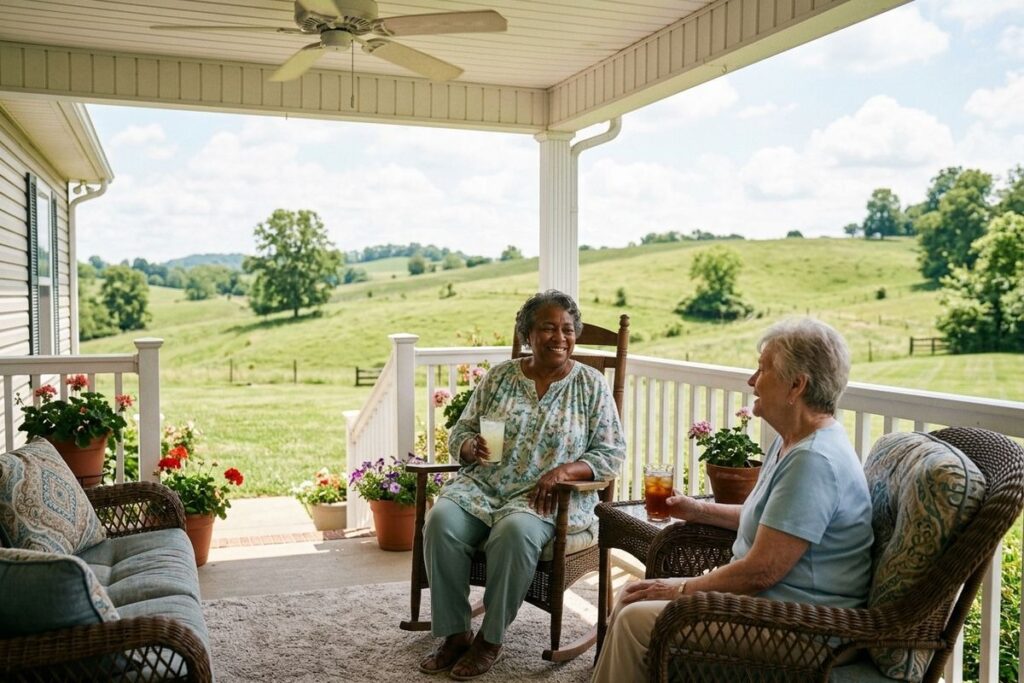
The concept of older adulthood and later life, to me, means a phase or chapter of life where things start to slow down. The fast paced way of life becomes less demanding, and I imagine having more time to focus on the present and enjoy the simple things in life. When I think about these terms, I imagine being in my family home in Mexico, relaxing mornings, spending time with family, and having more freedom to enjoy life.
I would consider myself an older adult around the age of 65. When I envision myself physically, I think of my grandmother. She is almost 70, walks at a slower pace, and cannot lift heavy things, but she is still relatively healthy and active in her own way. I imagine myself having that same energy and health, but being different internally, with my own personality, experiences, and outlook on life. I’d feel content and fulfilled spending time with family, running a small business, scolding my grandkids, nieces, and nephews for fighting with each other, crocheting, and having a full house filled with laughter and joy from multiple generations.
The problems of aging I fear most are poor health and dementia or Alzheimer’s. These conditions concern me because they could affect both my physical and mental abilities and potentially cause worry or become a burden for my loved ones. I have always valued my independence, so the possibility of losing the ability to care for myself or make my own decisions would be difficult for me. Maintaining my independence and quality of life would be very important to me as I get older.
Ashley,
I also agree that there are plenty of myths surrounding aging in addition to negative stereotypes. In my post, I mentioned how I find the idea of aging kind of frightening because of the experiences of my older relatives who I witnessed and the way they struggled with their health. In your post, you mentioned that the concept of older adulthood to you means slowing down. I think this is a positive approach to a part of life that a lot of individuals find very daunting. Instead of fearing the changes in physical ability, growing older should be an exciting time of life where one should, theoretically, be able to relax and move away from the ‘business’ we are all so accustomed to. I think as we interact with older individuals, it is important to encourage this kind of positive viewpoint, and move away from the negative stigma often associated with aging (especially in our society today).
I look forward to hearing more from you throughout the rest of this course. I wish you the best during this semester and onwards!
Hi Ashley!
I really enjoyed reading your post, especially your interest in learning ASL. I think it is great that something you were interested in during middle school has stayed with you and that you decided to start learning again. ASL is such a valuable skill to have, especially when working with diverse populations.
I also connected with what you said about older adults valuing companionship and having someone to talk to. Your experience as a senior companion has probably given you a perspective on aging that many people do not have. Sometimes simply being present, listening, and allowing someone to share their experiences can make a meaningful difference.
I also liked the picture you painted of yourself at 65 surrounded by family, running a small business, crocheting, and keeping the grandkids, nieces, and nephews in line! It shows that aging does not necessarily mean giving up the things that bring us purpose and happiness. I agree with your concerns about health, dementia, and losing independence. Those are some of the things that make me think differently about aging as well.
I look forward to learning more alongside you this semester and challenging some of the stereotypes we often hear about getting older. I hope we both leave this course with an even greater appreciation and understanding of older adults.
Hi Ashley,
I love that you are learning ASL! I used to watch a tv show when I was younger with deaf people and picked up on so much by watching and I can sign the alphabet. I believe basic ASL should be taught in schools to promote inclusivity.
We have similar imaginations of our future in our motherlands, my great-grandparent’s farm is still around and I’d love to spend my days there after I retire. Your perspective on that made me feel better as the idea of aging is terrifying to me, but the slowing down and being present is comforting.
I also look forward to learning about the stereotypes and myths of aging that we are led to believe. Aging is different now than 50 years ago because of technology and science advancements, and life expectancy is much longer. I believe we will both learn how to better advocate for and understand aging!
I hope you have a great semester, and I look forward to reading your posts!
Ashley,
Thanks for sharing your experiences. It’s funny because myths about aging are both good and bad, right? We often talk about fears regarding our own aging, but we can also romanticize it. Slowing down is a positive for some folks and a negative for others. One myth about aging is that older adults are all the same. We will be talking about this during the semester.
I am intrigued by your idea of dealing with the physical stuff, yes, but also “feeling different internally.” I think that is really an interesting idea, and I look forward to talking more about it.
The fear of dementia is shared by most of us, and we will be talking about that in the next module after this week. I look forward to more conversations. Loved your featured image, BTW.
Dr P