On this page, you will find Blog Post 3 – The Medical Model of Aging
This is the page where all Blog 3 posts will be located. You will see a brief summary. If you click on the post summary, the full post will open. Remember to read 4 of your classmate’s posts and comment on at least 2. Here are the instructions for your first blog post.

Losing the Meaning of Health Care
Each of the chapters in Aronson and Cruikshank's texts was incredibly enlightening. However, I found the statistics in Learning to Be Old: Gender, Culture, and Aging to be the most informative about the systemic issues regarding older adults and overmedication. It is...

Blog Post 3: Medical Model of Aging
The most surprising fact from, "Learning to Be Old", was how certain medication interactions can cause false diagnosis of Alzheimer's disease. This was the most shocking to me because I can only imagine the number of scared older adults coming to a hospital or doctor...
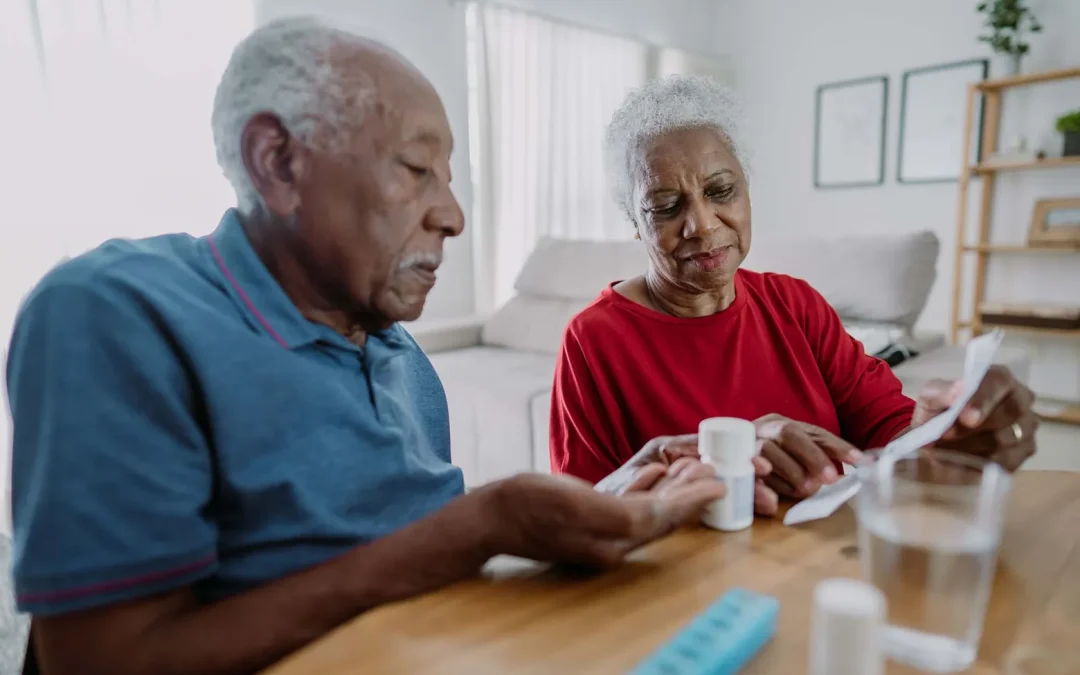
The Medical Model of Aging
While reading the texts by Aronson (2019) and Cruikshank (2013), I was struck by several points. One aspect that particularly surprised me was Cruikshank’s discussion about the number of prescriptions given to older adults, even when the side effects can be harmful to...

Blog 3
. What fact about medication and older adults surprised you the most – from either text? Pleaseelaborate as to why you were surprised. When I think about either texts and what surprised me the most is the factor of how normalized and automatic it is for older adults...
Blog Post 3: The Medicalization of Aging
A few years ago, I watched a video of this gentleman stopping older adults on the street and asking them questions. One of those videos, a gentleman was 82 and said he was on no medications, and that shocked me, 82 and no medications?! How was that possible? Reading...

Blog 3
A fact that surprised me is the fact that more than 50 percent of older adults think that depression is just something that everyone goes through. They believe that when you become old, you go through changes. The clinical diagnosis is Depression. (Mental Health,...
Blog Post 3 -Medical Model of Aging
One of the most surprising and unsettling facts I encountered was in Cruikshank’s discussion of the adverse side effects of medication. According to her, a shocking number of Americans are harmed, severely injured, or even die due to medication reactions, particularly...

Blog Post #3 Medical Model of Aging
One fact that most surprised me in the readings was Cruikshank’s claim that older adults automatically become reliant on pharmaceuticals, sometimes without even thinking whether the medication is necessary in the first place (Cruikshank, 2009). What was surprising for...
Blog Post 3: Medical Model of Aging
There were multiple things I learned this week while reading Aronson and Cruikshank. Cruikshank (2003) framed the aging population as a growing market for pharmaceuticals, and it makes sense considering that according to her research older adults make up 35-46% of...

Blog Post #3 Medical Model of Aging
The most shocking fact about medication and older adults is that adverse effects from drugs are among the most significant dangers in society, often leading to death and injury. According to Cruikshank 2013), over 100,000 Americans die each year from adverse drug...