On this page, you will find Blog Post 3 – The Medical Model of Aging
This is the page where all Blog 3 posts will be located. You will see a brief summary. If you click on the post summary, the full post will open. Remember to read 4 of your classmate’s posts and comment on at least 2. Here are the instructions for your first blog post.
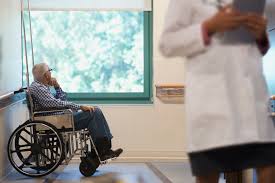
Medical Model of Aging
The fact that surprised me the most was Cruikshank’s discussion of the number of prescriptions older adults are routinely given, even when the side effects can be detrimental to their health (Cruikshank, 2003). What is disturbing is how normalized it has become to...

Libby McCullough’s Post on the Medical Model of Aging
My post this week has a photo I've taken from my treasure trove of aids that older adults may utilize in the home. One particular point I've made is two of these are for my dog, who is a 16 year old little lady who's slowing body, seizures, and desire to "remain...

One Size Does Not Fit All
What fact about medication and older adults surprised you the most – from either text? Please elaborate as to why you were surprised. Overall, I am most surprised at the lack of training for doctors regarding what older patients need, the lack of geriatric specialists...

The Medicalization of Aging
The most surprising thing to me about drugs and older adults was that Dimitri’s side effects caused such extreme side effects. I think I have always considered side effects and the impact that they could potentially have, but actually reading about how harmful...

The Medicalization of Aging
What surprised me the most in both articles and studies is how strongly medications can affect older adults due to changes in their metabolism. Aronson (2019) describes a case where a once-healthy patient quickly declined, not from a disease itself but from the...
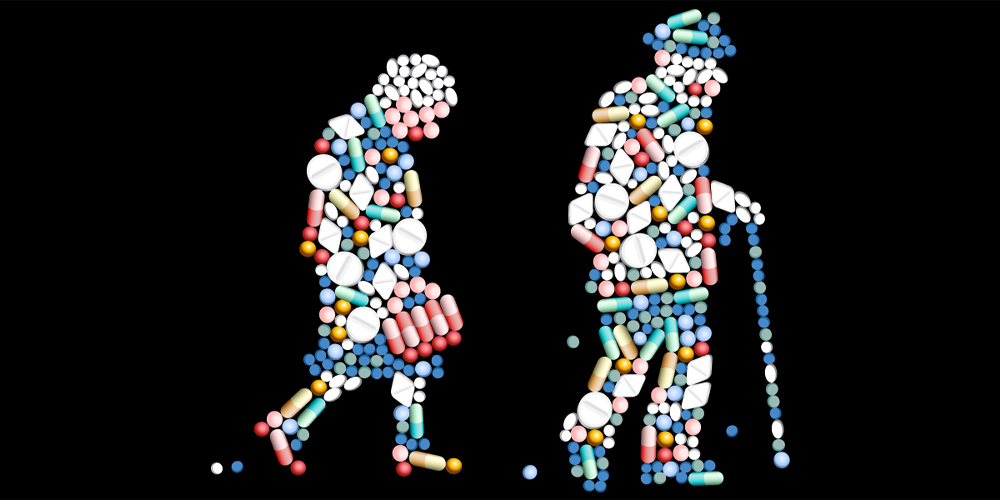
Blog Post 3 Medicalization of Aging
What surprised me most about the readings was that people over 65 make up 13% of the population but consume 34% of all prescription medications with 40% of people 65 and older taking at least 5 medications daily. I knew that pharmaceutical companies heavily profited...
Blog Post 3
One thing that really surprised me from Cruikshank (2013) and Aronson (2017) is how quickly older adults are put on medications, often without looking at other options. I always assumed doctors carefully weighed the risks, but it turns out cultural ideas about aging...

Week 5: Rethinking Medication, Aging and the Power of Listening
Reading Cruikshank opened my eyes to how much older adults rely on medications and how normalized overmedication has become. Many of her statistics weren’t shocking individually: elders make up less than 15% of the population but take more than 30% of prescriptions,...