On this page, you will find Blog Post 3 – The Medical Model of Aging
This is the page where all Blog 3 posts will be located. You will see a brief summary. If you click on the post summary, the full post will open. Remember to read 4 of your classmate’s posts and comment on at least 2. Here are the instructions for your first blog post.
Blog Post 3: Social Roles and the Medical Model of Aging
The most surprising thing for me was how often problems with medications are mistaken for normal aging. Cruikshank explains that older adults may often take several drugs, even though aging bodies may react differently and side effects can mimic decline (Cruikshank,...
Blog 3
What sparked me the most about Cruikshank was how easily aging can be tied to becoming sick. I never really thought about how society can make older people feel as if something is wrong with them just because they’re getting older. Cruikshank states that older adults...
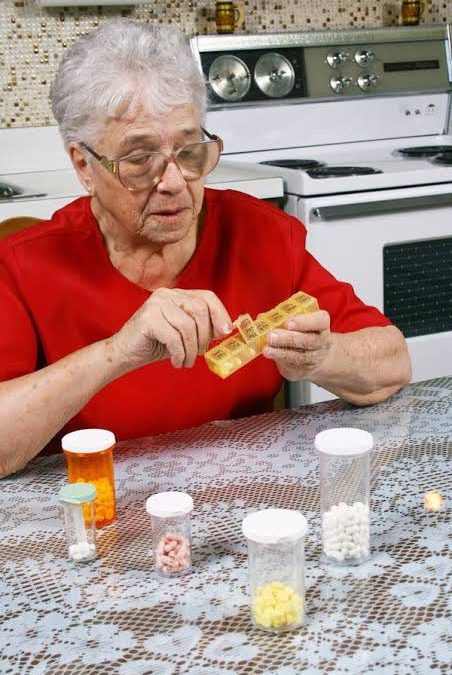
More Than a Diagnosis: Social Roles and the Medical Model of Aging
More Than a Diagnosis: Social Roles and the Medical Model of Aging Stephanie Reyes Blog Post 3 | Aging Practice, Policy & Research When I think about older adults, I think about people who have lived entire lives, raised families, worked, experienced loss, and...
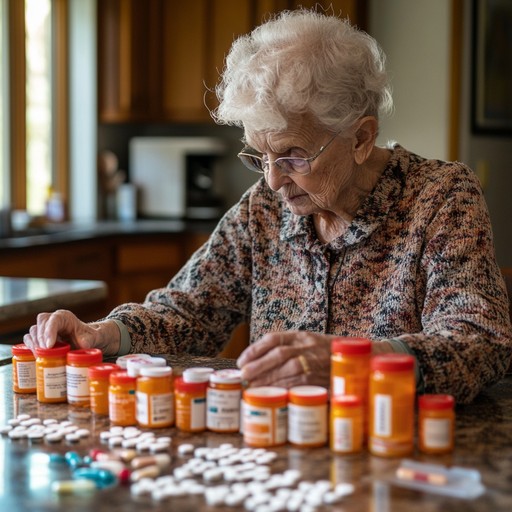
Social Roles and the Medical Model of Aging: A Personal Reflection
What surprised me most about Cruikshank’s discussion of overmedicalization is how common the practice seems to be in healthcare. What is most peculiar to me is that we have almost normalized older adults taking a large number of medications. Why is it considered okay...
Post 3
Joshua Gaston Aging Practice September 26, 2026 Blog Post 3 Social Roles and the Medical Model of Aging The readings challenged me to separate aging itself from the illnesses, medications, and social assumptions that often surround it. My main takeaway is that...

Blog Post 3
Blog 3 Post What surprised me most about Cruikshank’s discussion of the over medicalization of aging is how easily normal changes that come with getting older can be treated as medical problems. As someone who is almost 60, this stood out to me because I can relate to...
Medical Model of Aging
While I was reading Cruikshank's discussion of the medicalization of aging people, I was both surprised and horrified to find out that older adults make up "over sixty-five make up 13 percent of the U.S. population but use 34 percent of the prescription drugs (some...

Medical Model of Aging
What surprised me most about Cruikshank’s discussion of the overmedicalization of aging was realizing just how easily normal aging can become something that needs to be fixed. Cruikshank's discussion made me think about how often we focus on what older adults are...
Blog Post 3: Social Roles and the Medical Model of Aging
Overmedicalization and Aging What surprised me the most about Cruikshank’s discussion of overmedicalization was actually nothing. I already believe the medical system can profit from older adults. Many older adults take several prescriptions every day,...
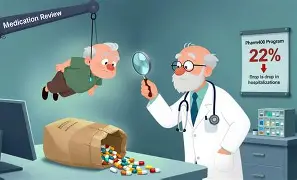
Blog Post 3 – Medical Model of Aging
What surprised me most about Cruikshank's discussion was how easy it was for aging adults to get treated for such medical problems that are normal. I understand that older adults may have more health problems as they age, however society tends to stereotype and put a...