
If I had to put myself in the predicament of when I am an older adult and going through menopause as a woman, there are many changes happening. My body could start having hot flashes or night sweats which can cause bad sleep quality or daily activities not being performed. Then muscle and joint aches can occur causing me to slow down sometimes even when I should be able to move around. I have a slow metabolism already however, menopause can cause it to slow even more, and I start to gain unhealthy weight. Emotionally I would need to work on my patience because I am quicker to have mood swings then rather than now. This can also be a time of sadness because hormonally I stop producing eggs and will no longer be fertile. Socially I would try to have comfort knowing this can be a difficult time for me I would rather have those around me who understands what I am going through so, I am not alone. Menopause doesn’t seem like a financial burden more of an emotional and physical one but medicine to regulate my hormones and keep me healthy could cost but I am hoping to have good enough insurance I don’t have to pay anything. When I first heard of menopause, I was very young and my grandmother was going through a hot flash, there was many questions I asked and was scared of this condition at the time but as I got older, I learned there are far more worse conditions and health problems that could occur in someone life span. So, now I am calmer knowing in detail what menopause is and that it was bound to happen one day in my later life.
As I get older, I would still like to have a night life and be able to go out and do daily activities either with friends or family. When I envision myself with menopause at an older age, I can see that my body could give out if I am walking long distances compared to now. Then if I was to go to a night club, I am more prone to hot flashes or night sweats since there is no air circulating and many people in one room. I have to decide when I would like kids and I can’t wait forever because soon, I won’t be able to have the option. Relating the CARA model to menopause for example instead of overreacting on the symptoms I can’t control I can focus on ideas that require less energy, so I am not so worked up. Use the resources around me such as family and friends for support as well as menopause support groups. This creates a community and you get to learn as you grow with the condition. As I grow older, I would need to find a purpose to continue especially when health conditions come into place it can cause depression but with something to look forward to or end goal could motivate me. Having the right doctors and access to healthcare can help me stay on track of my health condition so nothing can progress into something worse. If I were to take all the steps I listed and the do the work my coping process can be smooth instead of worrisome of my health retaining resilience. I used the heath line website to find an article; this text breaks down treatment’s women can take to slow down or manage their hormone symptoms. Some make include, gels, creams, tablets, injection, patches, etc. I also learned something new called bioidentical hormones which are lab made hormones similar to the natural chemicals are body need such as estrogen, testosterone, and progesterone. The article even gave me alternative/natural remedies instead of prescription.
Your reflection on menopause is clear, honest, and grounded in real experience. You highlight the physical changes — hot flashes, sleep disruption, joint pain, slower metabolism — and connect them well to how daily life might shift. I also like how you acknowledge the emotional side, especially mood swings and the sadness tied to fertility changes. Wanting support from people who understand what you’re going through shows strong self‑awareness.
Your connection to the CARA model is thoughtful. Focusing on low‑energy coping strategies, leaning on family and support groups, and maintaining purpose all fit well with building resilience. Including treatment options and natural remedies shows you’re already thinking ahead about managing symptoms in a healthy way.
If I had to put myself in the predicament of when I am an older adult and going through menopause as a woman, many changes are happening. My body could start having hot flashes or night sweats, which can cause bad sleep quality or prevent me from performing daily activities not being performed. Then muscle and joint aches can occur, causing me to slow down sometimes even when I should be able to move around. I have a slow metabolism already; however, menopause can cause it to slow even more, and I start to gain unhealthy weight. Emotionally, I would need to work on my patience because I am quicker to have mood swings than now. This can also be a time of sadness because hormonally I stop producing eggs and will no longer be fertile. Socially, I would try to have comfort knowing this can be a difficult time for me. I would rather have those around me who understand what I am going through so I am not alone. Menopause doesn’t seem like a financial burden, more of an emotional and physical one, but medicine to regulate my hormones and keep me healthy could be costly, but I am hoping to have good enough insurance that I don’t have to pay anything. When I first heard of menopause, I was very young, and my grandmother was going through a hot flash. There were many questions I asked, and I was scared of this condition at the time, but as I got older, I learned there are far worse conditions and health problems that could occur in someone’s lifespan. So, now I am calmer knowing in detail what menopause is and that it was bound to happen one day in my later life.
As I get older, I would still like to have a night life and be able to go out and do daily activities either with friends or family. When I envision myself with menopause at an older age, I can see that my body could give out if I am walking long distances compared to now. Then, if I were to go to a nightclub, I am more prone to hot flashes or night sweats since there is no air circulating and many people in one room. I have to decide when I would like kids, and I can’t wait forever because soon, I won’t be able to have the option. Relating the CARA model to menopause, for example, instead of overreacting to the symptoms I can’t control, I can focus on ideas that require less energy, so I am not so worked up. Use the resources around me, such as family and friends for support, as well as menopause support groups. This creates a community, and you get to learn as you grow with the condition. As I grow older, I would need to find a purpose to continue, especially when health conditions come into place; it can cause depression, but with something to look forward to or an end goal could motivate me. Having the right doctors and access to healthcare can help me stay on track with my health condition so nothing can progress into something worse. If I were to take all the steps I listed and do the work, my coping process can be smooth instead of worrisome about my health, retaining resilience. I used the Healthline website to find an article; this text breaks down treatments women can take to slow down or manage their hormone symptoms. Some options include gels, creams, tablets, injections, patches, etc. I also learned something new called bioidentical hormones, which are lab-made hormones similar to the natural chemicals are body needs, such as estrogen, testosterone, and progesterone. The article even gave me alternative/natural remedies instead of prescription. I also agree with your point about having a strong support system. Going through major changes later in life can be difficult, and having supportive family, friends, healthcare providers, and even support groups could make the experience feel less overwhelming. Your connection to the CARA model was also interesting because instead of focusing only on the things you may not be able to control, you discussed adapting your activities and using the resources available to you.
I also like that you still envision yourself enjoying life, going out, and spending time with friends and family as you get older. Aging or experiencing menopause does not necessarily mean giving up the activities that bring us happiness. We may have to make adjustments, but maintaining relationships, having a sense of purpose, and taking care of our health can help us continue enjoying life. Your post was a great reminder that learning about the changes associated with aging can help us prepare for them rather than fear them.
Gerald,
I’m just curious as to why you copied her post into your comment. You might want to look at what happened there so you can avoid doing that in the future. Let me know if I can help.
Dr P
JaNasia,
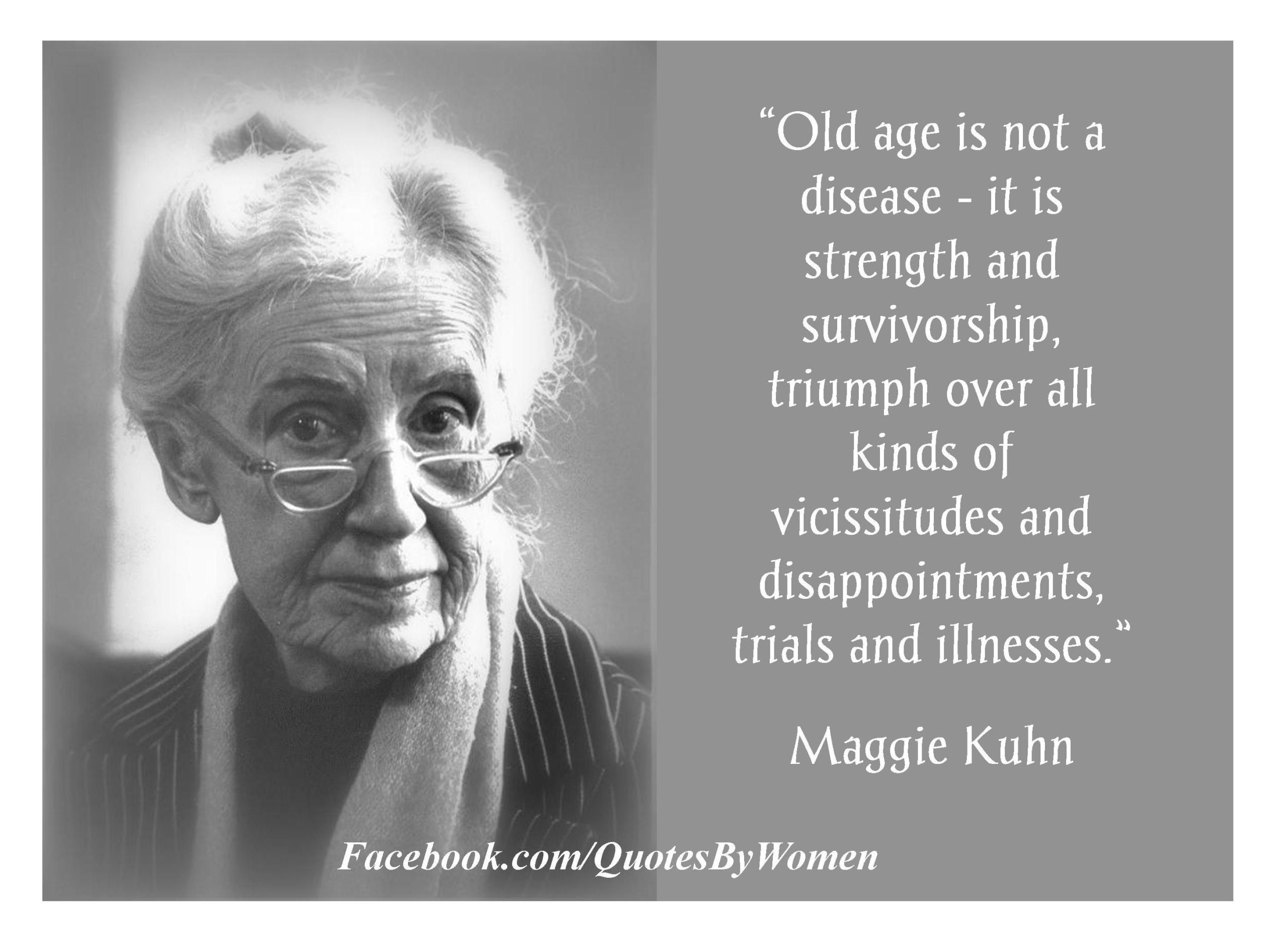
I truly love the image you chose. I think you will enjoy the upcoming discussions in Cuikshank.
I appreciate and understand your concerns about menopause. It is truly a change in the course of a woman’s life and for some women it can be really difficult. I put myself in a freezer more times than I want to admit during mine. I will say, however, that menopause is usually a condition discussed in an earlier stage of life than your fourth chapter. That is not to suggest that it isn’t part of aging – of course it is. But the issues facing the older adults you will see have moved far beyond the issues faced at menopause. The fourth chapter is the time when you are concerned about spending time with grandchildren or great-grandchildren rather than having children of your own.
I am making this observation because it is important in this class for you to get a sense of what aging practice deals with. The fears of conditions that will leave you unable to be independent, remember, walk, or take care of yourself are the most significant ones for the older adults you will see.
In terms of the article you chose, when you use articles, it is critical that they be peer-reviewed. That means they need to come from journals where other professionals have read and reviewed the information and have either replicated or confirmed the conclusions.
Dr P