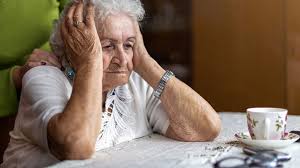

As stated in my blog post #1, the one aspect of aging that I worry about is dementia since it affects your health, emotions, social life, and even your finances. Emotionally, it can lead to depression and anxiety in oneself and loved ones, especially caregivers, while physically, it can make everyday activities challenging. It can cause social detachment, and the expense of care is very high. Losing my independence and the impact it would have on my family is what worries me most. My goal of staying active and self-sufficient as I age would be altered if I develop dementia. Nevertheless, I would make an effort to concentrate on finding new methods to adapt, relying on loved ones, and enjoying the little things.
According to the CARA model, having strong social support, maintaining optimal physical and mental health, and making financial plans in advance can all contribute to resilience. Additionally, I read a study by Martyr et al. (2023) that demonstrated that relationships and support networks are more important for dementia caregivers’ resilience than individual characteristics like optimism. This reaffirmed to me the significance of creating robust networks and services for caregivers and individuals alike.
Reading the article by Martyr et al. (2023) It studied the resilience of caregivers of individuals with mild-to-moderate dementia. The researchers discovered that rather than being solely influenced by personal characteristics like optimism or self-efficacy, resilience was also influenced by outside factors like the quality of relationships and the severity of dementia symptoms. This demonstrates how resilience is relational, societal, and personal. It made me realize how important it is to create environments that are supportive of people with dementia and those who care for them. All things considered, my thought confirmed that even if dementia poses huge challenges, resilience may still be developed via meaningful adaptation, planning, and connection.
Reference
Martyr, A., et al. (2023). Resilience in caregivers of people with mild-to-moderate dementia. BMC Geriatrics, 23(1), 1-10. https://doi.org/10.1186/s12877-023-04549-y
I really connected with your post because dementia is also the aspect of aging that I fear the most. Also, like you, I think the loss of independence would be one of the most difficult challenges to face. In addition, the idea of social detachment resonated with me because I can imagine how easy it would be to withdraw out of embarrassment or frustration, even though staying connected would be so important.
I also appreciate how you brought in the CARA model and the Martyr et al. (2023) study. I found similar insights in my own reading, and that resilience is not just about individual traits but about the systems around us. Relationships, communities, and supportive policies can make a huge difference in how someone with dementia experiences daily life. I think that reminder is hopeful, and while we can’t always control the disease, we can influence the quality of our support systems and the ways we adapt.
Ebony,
I would have liked to hear more in response to the first and second question. And when you talk about GRRs you don’t really talk about which ones would be most helpful and how you would implement them.
Your article is current, but it is a longitudinal study in Wales. There are lots of differences in the UK due to the presence of national health insurance. Plus this was a study over an extended period of time. How do you think that affects the impact of the findings here in the US today?
The study also asked an important question. Was the resilience of the caregivers better or higher because the degree of dementia was relatively low? So you draw a conclusion about the study that you can’t draw from this data. This was about the resilience of care givers and not the resilience of the older adults. And they can’t tell if that resilience was because the dementia wasn’t so bad. It really didn’t inform your question or the question in the instructions at all.
Dr P