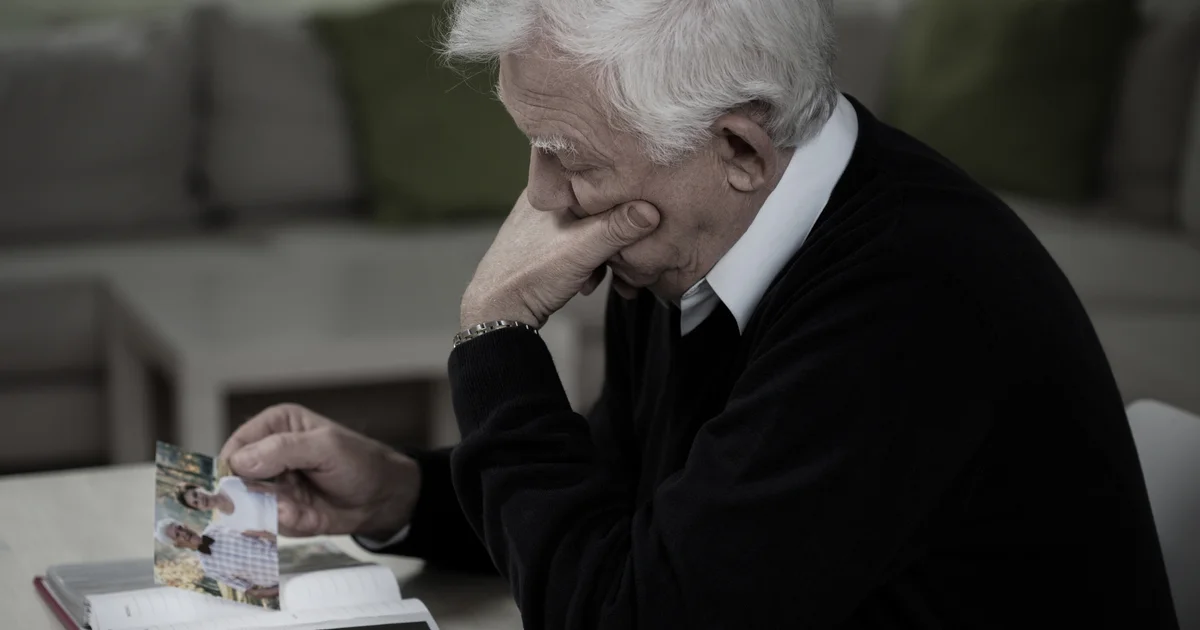

- In my first blog post, I identified loneliness as one of my greatest fears about growing older. More specifically, I fear losing my spouse, friends, and siblings and feeling like the last one standing. I am the youngest in my family, so this is something I have thought about before. My fear is not just about being physically alone, it is more about losing the people who have witnessed every stage of my life and feeling like I no longer have an important role in anyone’s life. If this became my reality, I imagine I would initially experience intense grief, sadness, and maybe anger. Emotionally, I would have to adjust to losing the person I expected to spend my everyday life with. Socially, I might begin withdrawing or maybe feel uncomfortable attending outings alone. Even though I may have children and grandchildren, I imagine I’d feel lonely without the companionship of a spousal relationship. The grief could also impact my sleep and appetite, energy and my motivation to stay active and care for my health. Financially, I would imagine (or hope) that my spouse and I are both retired by the time we are older adults, so my main concern would be managing everything alone rather than losing a source of income, this large responsibility may also threaten my independence. I would have to handle the financial responsibility of housing, basic needs, transportation, healthcare, etc. independently. There may also be significant expenses related to the death itself such as funeral costs, medical bills, etc. Altogether, the loss could affect my sense of connection, daily routine, and overall quality of life.
- In my first post, I imagined spending older adulthood at home with my future spouse and dog, gardening, cooking, reading, traveling, and staying connected with friends and family. If I lost my spouse and other people close to me, some of these things could remain the same, but they would feel very different without the person I expected to share them with. I could still enjoy my hobbies, travel, and spend time with family, but I would have to create a new routine and find a sense of purpose that was not completely tied to being someone’s spouse. I might also choose to live closer to family or in a community that offered more regular social interaction. My ideal later life would still include independence, meaningful relationships, and involvement in my community, but achieving those things would require more intention and adjustment than I originally imagined.
- The CARA model views resilience as the ability to recognize, use, and develop resources at the individual, community, and sociocultural levels (Aldwin & Igarashi, 2016). If I experienced loneliness after losing people close to me, my individual resources could include my coping skills, values, spirituality, hobbies, physical health, and experiences overcoming difficult situations. My community resources could include family, friends, healthcare providers, support groups, churches, and local organizations. Sociocultural resources, such as Medicare, Social Security, transportation services, and programs for older adults, could also help me remain independent and connected. Over time, these resources could become generalized resistance resources, or GRRs. My GRRs would include social capital, such as supportive relationships and individual capital, such as confidence, personal values, and a sense of purpose. The CARA model also emphasizes how a person appraises and copes with a stressful situation. I would need to acknowledge that the loss was painful without viewing it as proof that the meaningful part of my life was over. Resilience would not mean that I stopped grieving or never felt lonely. It would mean using the resources available to me to maintain my health, create a healthy daily routine, and continue finding purpose and meaningful connections despite the loss.
- Choi, H., Irwin, M. R., & Cho, H. J. (2015). Impact of social isolation on behavioral health in elderly: Systematic review. World Journal of Psychiatry, 5(4), 432–438.
- Hoang, P., King, J. A., Moore, S., Moore, K., Reich, K., Sidhu, H., Tan, C. V., Whaley, C., & McMillan, J. (2022). Interventions associated with reduced loneliness and social isolation in older adults: A systematic review and meta-analysis. JAMA Network Open, 5(10), Article e2236676. https://doi.org/10.1001/jamanetworkopen.2022.36676
Above are 2 scholarly articles that discuss the complexities of older adults. Choi et al. (2015) found that social isolation among older adults is associated with sleep problems, fatigue, and depression. Interestingly, he found that subjective loneliness sometimes has a greater impact than actually being alone. They found that loneliness in older adults is associated with depression, cognitive decline, and cardiovascular concerns. Hoang et al. (2022) evaluated interventions for loneliness and found that cognitive behavioral therapy, exercise, support groups, animal-assisted interventions, and technology based communication can be helpful.
Frances,
Thank you for sharing your fears of aging. My brother and I are the last two members of our family, and sometimes that reality hits with a bit of shock. I hope these readings and podcasts help you think differently about aging. If aging is a process where we incorporate our entire lives, then everything we experience comes with us as we grow into our fourth chapter, right? So while some of those things come with me in memories rather than the people I would like to have around, they are still with me. It’s also the case – and you really make this very clear in your own description of how you would manage your aging- that there are people around us who become family without the blood. Our church family, our neighborhood, our work family- all of these become the village we can take with us into aging.
But the point I hope you all take away is the need to intentionally and consciously build that village. It doesn’t happen by accident, but it really can happen. If we begin to think about aging as simply a stage in a lifelong process rather than a sentence to some significant illness, we would prepare quite differently.
Your articles are good, but I would challenge the one from 2015. There is so much in aging that has changed, I know there are lots of research being done that is more current. I talk about this in the next module, so I hope you take a look at my feedback in Module 3: Week 2. I talk about the best way to utilize AI in researching articles.
I think you will find the podcasts really interesting, both because of the professionals and what they have to share, and because of the realities of the experiences we discuss. Looking forward to the conversations.
Dr P