
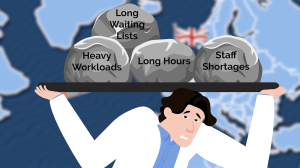
 When I first started thinking about a problematic aging situation that I wanted to focus on, my first choice was Medicare Advantage plans. I have concerns about how these plans affect the aging population and whether they truly provide older adults with the access and quality of care they need. However, when I began looking for a peer-reviewed article specifically focused on Medicare Advantage plans, I was not able to find one that fit what I needed for this discussion. Instead, the research I found led me to several other serious issues affecting older adults, including staffing shortages, access to care, and the rising cost of medications. One of the biggest problems that stood out to me was whether our healthcare system is actually prepared to provide enough care for the growing aging population. As the number of older adults increases, the amount and complexity of care they need will also increase. Unfortunately, our current healthcare workforce does not always seem prepared to handle that demand. Staffing shortages can lead to longer wait times, delays in care, canceled appointments, and fewer healthcare professionals available to provide one-on-one attention. The ratio of patients to nurses, doctors, and other healthcare workers can make a major difference in the quality and timeliness of care an older adult receives. This is especially concerning because delays in care can have serious consequences for older adults. Waiting longer for medical attention is not simply an inconvenience when someone is aging or has multiple health conditions. A delay could contribute to falls, pressure injuries, worsening medical conditions, or unnecessary hospitalizations. In long-term care, staffing shortages can also place additional pressure on the employees who are already working. When staff are overworked and burned out, it can become harder to provide the level of patience, attention, and compassion that every resident deserves. Another issue I found through the research was the increasing cost of medications. This is particularly concerning for older adults because many rely heavily on Social Security or other fixed incomes. Prescription medications can become a significant financial burden, especially when someone needs several medications at the same time. For example, Eliquis is commonly prescribed to reduce the risk of blood clots and stroke in certain patients. For someone who needs to remain on a medication like this, being unable to afford it can create a difficult situation. An older adult may have to choose between paying for their medication, buying groceries, or paying another necessary bill. Financial insecurity can therefore become directly connected to physical health. If someone cannot afford a medication they need, their health could be placed at greater risk. These issues also make me think about the connection between healthcare, finances, and social well-being. Older adults should not have to wait excessive amounts of time to receive necessary care or feel like they are a burden when they need assistance. Something as simple as needing help getting to the bathroom can become a major issue when there are not enough staff available. As someone who works with the aging population, I have seen how staffing, burnout, and limited resources can affect both residents and the people providing their care.
Overall, I do not think these problems are going to disappear anytime soon. Honestly, I worry that they could become worse. When I think about my own future, I wonder what Social Security will look like when I reach older adulthood and whether it will still provide enough financial support to live comfortably. I also wonder how expensive medications will become as new treatments and medications continue to develop. Will future older adults be able to afford the healthcare they need? I also worry about the quality of care in the future. It seems like healthcare can sometimes become more focused on completing requirements and getting people through a system rather than providing meaningful, hands-on care. Degrees and credentials are important, but I believe experience, compassion, and actually knowing how to care for another person are just as important. When I imagine myself as an older adult, I do not want to feel like I am a bother simply because I need help. I do not want to feel like asking someone to help me get to the bathroom is an inconvenience. I want to be treated with dignity, patience, and respect. Aging should not mean losing the right to receive quality healthcare or being made to feel like a burden. The problems facing the aging population are much bigger than just one insurance plan or one medication. They involve staffing, finances, access to healthcare, medication costs, and the overall way society values older adults. If we want a better future for the aging population—including ourselves—we need to start addressing these problems now rather than waiting until they become even more difficult to solve.
Using the CARA model of aging, I think one way I could manage these challenges in later life would be by developing and maintaining strong General Resistance Resources (GRRs). GRRs are the resources a person can rely on to help them cope with stress and difficult situations. For me, these resources would include having a strong social support system through my family, friends, and community, maintaining financial resources and planning for retirement, having access to reliable healthcare, and developing knowledge about my healthcare options before I actually need them. I would also want to advocate for myself and not be afraid to ask questions or speak up when I feel that my needs are not being met. Having these resources could help me feel more prepared if I experience rising healthcare costs, limited access to providers, or changes in Social Security. Resilience, to me, would not mean that I would never experience these problems. Instead, resilience would mean being able to adapt when these challenges occur without allowing them to completely take away my independence, dignity, or quality of life. I would want to be able to recognize the resources available to me, seek help when necessary, and continue finding ways to maintain my physical, financial, and social well-being. Ultimately, being resilient as an older adult would mean knowing that even if the healthcare system is not perfect, I have the knowledge, relationships, resources, and confidence to advocate for myself and continue moving forward.
Hi Skylar!
I really liked how you connected staffing shortages to the quality of care older adults receive. Your point about older adults potentially feeling like a burden especially stood out to me. In my own post, I discussed how important it is to challenge the stereotypes surrounding aging, and I think that connects well with your argument that older adults deserve patience, dignity, and respect when receiving care. I also agree with your use of the CARA model. Developing strong GRRs, especially social support, financial stability, and knowledge of healthcare resources, can help older adults remain more independent and better prepared to advocate for their needs.
I really enjoyed reading your post because you brought up some things that I have honestly thought about myself. The part that really stood out to me was when you talked about whether the healthcare system will actually be prepared to care for us as we get older. We talk a lot about all these programs, services, and resources available to older adults right now, but my question is: will they still be there when we need them? That is something I seriously wonder about. With staffing shortages already, a problem and so many people leaving healthcare because of burnout, what will this look like 10, 20, or even 30 years from now? Who is going to take care of us?
You also made me think even more about Social Security. Every time I look at my paycheck, Social Security is being deducted whether I like it or not, so naturally I expect that money to be there when it is my turn to retire. But will it? Will Social Security even be an option for us by then? And if it is, will it actually be enough to live on? That is scary to think about because we are paying into something right now without really knowing what it will look like when we are finally old enough to need it. Then you add the rising cost of medication, food, housing, and healthcare on top of that, and it makes me wonder how some of us are realistically supposed to afford getting old.
I also felt what you said about not wanting to feel like a burden just because you need help. Nobody should feel guilty about getting older or needing help to get to the bathroom, get dressed, make it to an appointment, or do something they once could do for themselves. That would be one of the hardest things for me personally because I am so used to doing things for myself. This is where I see the importance of GRRs. Having family, friends, financial resources, healthcare, community programs, and simply knowing how to speak up and advocate for yourself could make a huge difference. But again, it takes me right back to the same question: will those resources actually be there when it is our turn to need them? Your post definitely made me think about my own future, because getting older is something none of us can avoid, and we have every right to wonder what kind of system will be waiting for us when we get there.
Skylar,
You need to take a look at my last post on your previous blog about how to upload your featured image.
You make some excellent points regarding aging as a policy experience. We will discuss many of these issues and how our policy environment views older adults. I realize that because you work in the field, your feelings about these gaps in services and programs are strong and important. You have a first-hand view of the realities of the lack of services. There are many reasons why we need to be concerned about the lack of available care for older adults, and the immigration situation of this administration is one of them. There was an important article in the AJC just this morning about the impact of Haitians losing protected status on staffing in programs serving older adults – especially in home care.
This module focuses more on how each of us experiences aging as individuals. It is different for each of us, based on our family history, our experiences, and our cultural beliefs about aging. That would also be true for you, and that is what this module is asking all of you to explore. It’s not simple, and many of us don’t spend much time thinking about aging in our personal circumstances.
Your discussion about GRRs is right on the mark. You will want to think about how you personally can build your own. You reference the financial impact of aging, and that is one of the most important GRRs the article discusses. Planning will be important, right?
I look forward to hearing your thoughts about our next section where we read Cruikshank and Aronson. They both suggest that the way we think about growing older in our culture needs to be discussed and changed. I think you will enjoy their thoughts.
Dr P