
Introduction
My name is Narda Mitchell. I have a strong immigrant background, which has greatly influenced who I am and how I view the world. My experiences and cultural background have taught me the importance of family, perseverance, compassion, and understanding. These values have shaped both my personal relationships and the way I interact with others.
My personal and professional experience with older adults comes primarily from caring for my parents, who are currently 76 and 91 years old. Being involved in their care has given me firsthand experience with the joys, challenges, and responsibilities that can come with aging. It has also helped me better understand the importance of community, independence, and advocacy, all of which contribute to an individual’s quality of life as they grow older.
By taking this class, I look forward to gaining a deeper understanding of the aging process and learning to balance caregiving with self-care to prevent burnout. I am excited about the opportunity to grow personally and professionally while learning alongside my classmates.
My Perspective on Older Adulthood
To me, the terms older adulthood or later life mean preparing for retirement while maintaining independence, both financially and within the community. I envision older adults having access to the resources and support they need to remain active and engaged. I see this stage of life as an opportunity to participate in community activities, enjoy hobbies, maintain meaningful relationships with family and friends, and continue pursuing personal interests.
I believe older adulthood should be viewed as a stage of life that can include continued growth, purpose, independence, and opportunities to contribute to others. Aging does not have to mean that a person stops learning, growing, or participating in the activities that bring meaning and joy to their lives.
How I View Myself as I Age
It is difficult for me to identify a specific age at which I would consider myself an older adult because I strongly believe that age is just a number. I do not believe people should be limited in what they can or cannot do simply because of their age. Instead, I believe individuals should be encouraged to remain active, pursue their interests, and continue setting goals throughout their lives.
My Hopes and Fears for the Future
Overall, I hope to age gracefully while maintaining my physical, emotional, and cognitive wellbeing. I hope to experience minimal pain, remain in good health, and maintain my independence and ability to participate in the activities I enjoy for as long as possible.
As I grow older, I would like to spend my time imparting knowledge and wisdom to younger generations and remaining an active part of my faith community. I envision myself participating in games and physical activities, exercising, pursuing hobbies, and building meaningful relationships with others. I also hope to continue learning, trying new things, and finding ways to contribute to the lives of those around me.
While this is my hope for the future, I recognize that certain challenges and health conditions can occur with aging. One of the conditions I fear most is memory loss or dementia. I believe that the memories and experiences we create with family and friends throughout our lives provide motivation, comfort, and a sense of purpose as we grow older.
When those memories begin to fade or are affected by memory loss, it can be stressful and even devastating, not only for the individual experiencing the memory loss but also for family members, friends, and caregivers. The possibility of losing the ability to recognize or remember the people and experiences that have given my life meaning is particularly difficult for me to imagine.
Ultimately, I hope that as I age, I will be able to maintain my independence, remain connected to my family, friends, and faith community, and continue finding purpose in helping and encouraging others. I look forward to learning more about the aging process through this class and developing a greater understanding of how we can support older adults while also preparing for our own later years.
Narda, your post is so thoughtful and beautifully grounded in real experience. The way you describe your immigrant background and how it shaped your values adds such depth to your perspective you can feel the strength, compassion, and resilience that come from your family and culture. It’s clear that those roots guide the way you care for others, especially your parents, and the love you have for them comes through in every line. Caring for two older adults at such different stages of life gives you a rare, firsthand understanding of aging that many people don’t get until much later, and you speak about it with so much grace.
I really appreciate how you define older adulthood as a stage of continued independence, community involvement, and purpose. Your view pushes back against the idea that aging is only decline, and instead highlights the possibility of growth, contribution, and joy. That mindset is powerful especially in social work because it honors older adults as whole people with dreams, interests, and identities that continue evolving.
Your hopes for your own aging are inspiring. Wanting to stay active, connected to your faith community, and engaged with younger generations shows how deeply you value relationships and legacy. And your fear of memory loss is so human and relatable. You expressed it in a way that honors both the emotional weight of that possibility and the importance of the memories that shape who we are. It’s a fear many people share, but you articulated it with honesty and compassion.
Overall, your post reflects wisdom, empathy, and a genuine desire to support older adults while also preparing yourself for your own future. You bring a perspective rooted in lived experience, cultural strength, and deep care and that will make you an incredible social worker.
Narda,
Thank you for sharing all of that with everyone. I suspect that being a caregiver for your parents is probably what has most directly informed your thinking about aging – at least at the moment. I admire your sense of aging as an opportunity, and your respect for all of the contributions older adults offer to our culture, communities, and families.
I think you will particularly enjoy reading Cruikshank, as she very much takes that approach to the aging process. She pretty much turns the traditional thinking about aging on its head, and encourages us to age much more radically. You might find it fun.
I think all of us strive for and hope for an aging process that adds to what we care about in life, rather than taking away. Your fear of dementia is shared by a number of your fellow students – in fact, it is the most common fear of aging in our culture. We will discuss the impact it has had on both individuals and families when we talk about the podcast on the Memory Loss Tapes.
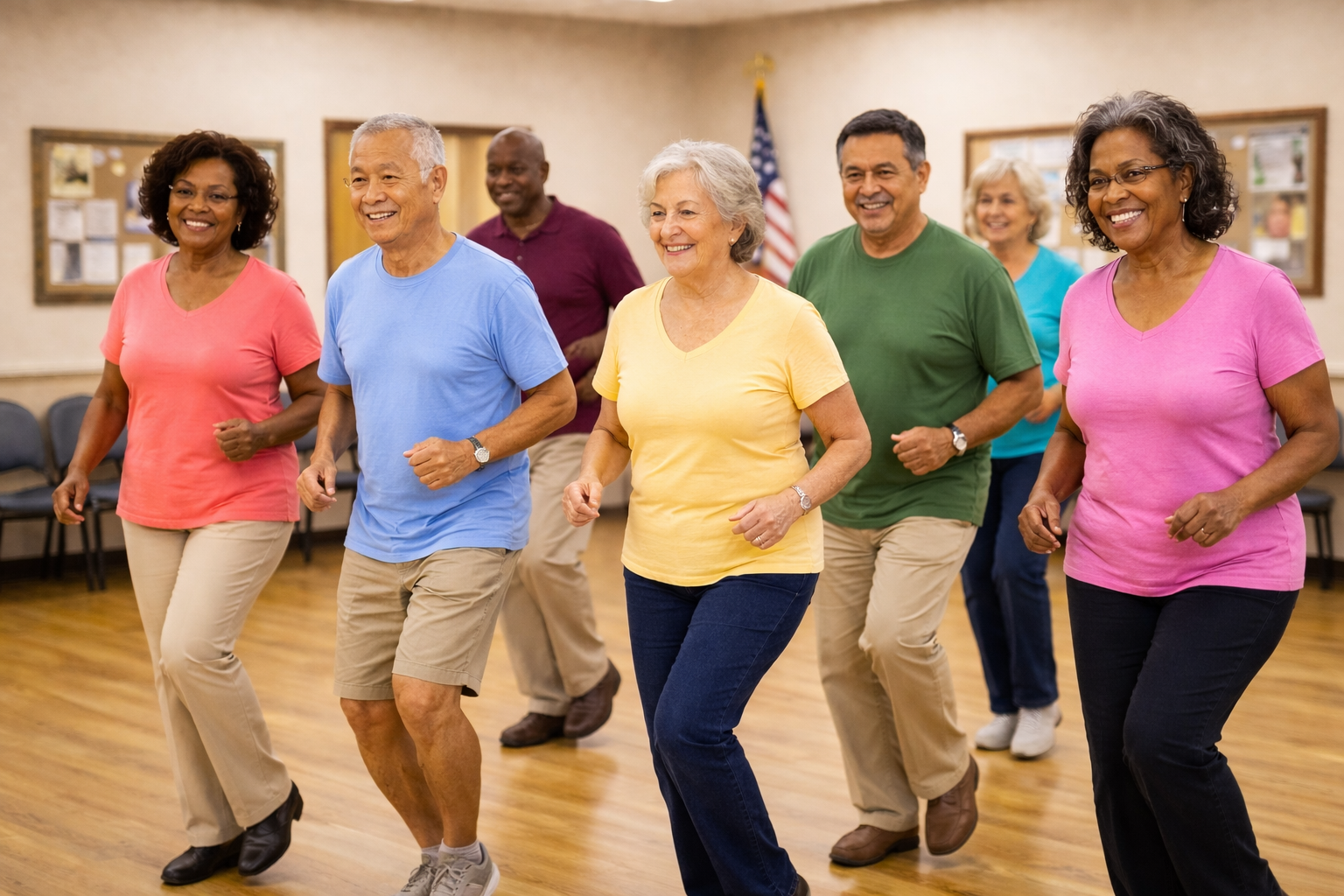
Just an FYI – There is a requirement to add a featured image to these blog posts. If you watch the video on the blog, or read my latest email, I explain how to upload your featured image. If you scroll down to the bottom on the right side of your post window, you will find “Set Featured Image.” I walk you through this in my video on using the blog. This information is about halfway through the video. You might find it helpful, and it will place your image right at the top of the blog post. The idea of this image is that it can represent your major points – what you are trying to say about the topic. Here is the link to the video. https://gastate.view.usg.edu/d2l/le/lessons/3694485/topics/77644126
Looking forward to the conversations.
Dr P