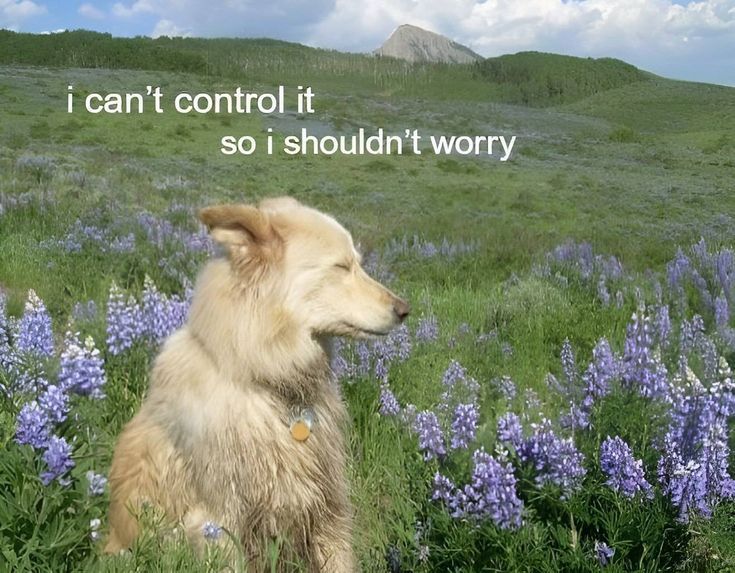

The idea of being the last one alive in my family will impact every aspect of my older life. Emotionally, I will feel extremely alone, but at peace knowing that I will see them again. In turn, my social life will look different because I will need to lean on friendship and community. think it will turn me more introverted, and the loneliness may affect my emotional state. I hope by then I will come to terms with aging and find joy in being alive for so long that I’m emotionally content. At least financially, I may end up with a piece of everyone’s money for extra cushioning after retirement.
It scares me that I will probably need to depend on nieces and nephews or a paid caretaker for help, as I do not want children. I will need to depend on someone to make sure I am treated with dignity and respect as I get even older, as I will lose the autonomy to do things. I will have to force myself to be social to fill the void of loneliness that grief will leave me. It terrifies me to die and to not know what will be there waiting for me, or will it just be like before birth?
Being the last one alive would mean I would be the one there for my siblings’ children; I would hold all the stories and memories. All of them dying would also change our plan to buy a bunch of land and live in homes next to each other. I would probably still have that experience, but it would be lonely without them. It would force me to seek out community and find people my age who are also struggling with the isolation that comes from leaving the workforce.
The SOC theory would probably help me a lot in this scenario, as I would have plenty of free time to focus on a goal to complete that would help my brain stay sharp while improving a fine motor skill. Resilience in older age can be supported by the development of a comfortable life structure, and I think by finding my community whom I can relate to; that social interaction will be beneficial to me. I feel like I use the SOC theory currently to get through my day-to-day life. I also like the appraisal process; if I am stressing out over something I can’t control, why work myself up? The readings made me realize that life experience can help develop healthy coping skills as I age to build up my resilience. I like to think of myself as resilient, as I have had to power through some unfortunate events, and I believe my mindset in old age will reflect that.
Rupprecht et al. (2022) examined how people’s fear about aging may influence how long they want to live. The study focused on fears like illness, loneliness, and dying. They found that people who were more afraid of death wanted to live longer, whereas people who were more scared of illness and loneliness wanted a shorter lifespan. This study made sense to me as the way people perceive aging can impact how they view the future and their life expectancy.
Copolla et al. (2025) looked at 35 studies involving over 5,000 seniors to see what could actually help with loneliness, and found that structured therapy programs make a significant difference. While social activities and gatherings are helpful, focusing on teaching mental coping strategies, shifting negative thoughts, and helping older adults accept aging is more beneficial. These therapeutic approaches worked best when done in a group setting over a longer period of time.
Sources
Rupprecht, F. S., Martin, K., & Lang, F. R. (2022). Aging-related fears and their associations with ideal life expectancy. European Journal of Ageing, 19, 587–597. https://doi.org/10.1007/s10433-021-00661-3
Coppola, A. M., Ibrahim, S., Bloch, N., Sah, E., Mehta, S., Goel, S., Calkins, J., Hernandez, V., & Lee, E. E. (2025). Systematic review and meta-analysis of mechanistic loneliness interventions for older adults. Annals of the New York Academy of Sciences, 1552(1), 66–77. https://doi.org/10.1111/nyas.70046
I thought your featured image went perfectly with this blog post! I really like how you connected being the last surviving family member to both loneliness and the need to intentionally build community. Your point about having to rely on nieces and nephews or a caregiver also stood out to me because I also do not plan on having children or even a spouse. It made me think about how important it is to consider who we will have in our lives as we get older, especially when our family structure may look different from the norm. I also agree that our life experiences and education can help us develop coping skills and resilience that we can carry into older adulthood. I think preparing for that stage of life means not only planning financially, but also building meaningful relationships and a sense of community that can provide support when our circumstances inevitably change. I definitely do not want to stress or fixate over it now, but being aware of that stage of life and taking care of our bodies now can help us feel more prepared for the future.
Emilie, I appreciate your honesty about the fear of being the last surviving member of your family. Your description of becoming the keeper of your family’s stories and memories was especially powerful. I also agree that building a supportive community and using SOC strategies could help preserve purpose, resilience, and connection in later life. Your faith that you will see your loved ones again also offers a meaningful source of hope amid grief and uncertainty. I share that when I think about some of my relatives I’ve lost.
Hi Emilie,
Your post really made me stop and think because being the last living person in your family is a fear that is not discussed very often. I am extremely close to my family, so imagining a later life without my husband, siblings, or other loved ones feels incredibly lonely. Like you said, it would not only mean grieving the people you love but also grieving the future you planned to share with them. Your dream of purchasing land and living near your siblings sounds beautiful, which makes the thought of eventually being there without them even more emotional.
I also appreciated your honesty about not wanting children and worrying about who would help protect your dignity and autonomy as you age. People often assume their children will become their caregivers, but having children does not guarantee that, and not having children should not mean someone has to face aging alone. This highlights how important chosen family, friendships, advance planning, and community resources can be. Building that support system before it is urgently needed could help you remain connected and maintain more control over your care.
I also liked your point about becoming the person who carries your family’s stories and memories. Although that responsibility could feel lonely, it could also provide a strong sense of purpose. Sharing those memories with your nieces and nephews would allow parts of your siblings and family history to continue through you. I agree that the SOC theory could help you focus on meaningful goals and adapt to changes, while the appraisal process could help you avoid becoming overwhelmed by circumstances outside your control. To me, resilience in your situation would not mean that you no longer felt grief or loneliness. It would mean allowing yourself to grieve while still creating meaningful relationships, finding community, and continuing to build a life that feels worth living.
Hi Emilie,
As an only child, I too have similar fears about being the last living member of my family. Me and my parents have always been incredibly close and the thought of losing them is heart wrenching. In fact, I suffer from anxiety and part of the major triggers for this condition was the idea of being alone. Because most of my grandparents passed away when I was younger, and because I have relatively few aunts and uncles, it is difficult for me to accept that I will be one the very few surviving members of my lineage when my parents inevitably pass on. It took me a few years of therapy to be able to better come to terms with the idea that my parents will eventually die, and, and, although I occasionally still break down, I feel better able to handle the idea by relying on my support system (my childhood friend and my husband) as well as building a strong faith, two resources that were mentioned in the CARA model as aids in building resilience (Aldin & Igarashi, n.d.). While these events will no doubt be difficult, one thing I can say that I hope might be reassuring is that these strong feelings you feel towards them mean that you have experienced love that will last a lifetime and on-wards. Whenever I begin to feel anxious about it, I try to remember how blessed I am to have experienced a love that has impacted me so deeply. I think, for the most part, this fear is totally normal. No one wants to lose the ones they love, and its okay to grieve and experience pain even though it is incredibly difficult. It is important to give ourselves grace in the midst of difficult changes.
References
Aldwin, C., Igarashi, H. (n.d.) Coping, optimal aging, and resilience in a sociocultural context. In SW 4470: Aging Practice. Fall 2026. [Class Handout]. https://gastate.view.usg.edu/d2l/le/lessons/3694485/topics/77644130
Emilie,
I would like to suggest, as someone who is significantly closer to older age than you are, that things are much better than your worst fears – even if you have challenges. First, you may not have your siblings with you as you age, but then again, you never know, do you? There are lots of examples of people living long, healthy lives. But what I think is most wonderful is that you will have your siblings’ children around you. What a gift! You will find that they contain their own versions of your siblings. You might enjoy watching them grow.
I think the fear of death overshadows much of this conversation. You sound like a planner, and the worst thing for a planner is not to be able to see the way forward, right? The unknown is troublesome. I was hoping you all would focus on the CARA model of aging as you read the article, but the SOC model isn’t that different. The one challenge I would make to that model is that it is great on t;he thinking and planning side of things – but not as good on the feeling side. The psycho-social elements- a community that supports us in all our feelings – are a critical part of our GRRs.
The sentence I liked best in your post was this one.
Resilience in older age can be supported by developing a comfortable life structure, and I think that by finding a community I can relate to, that social interaction will benefit me.
I think you will enjoy hearing about how older adults create their villages so they are supported as they age. And you just might find our discussion about death and dying a good, difficult conversation.
Hang in there, Emilie; it’s really not so bad.
Dr P
PS: If you look carefully at the two studies, they both say the same thing to me. Gather people around you who support you and cherish you, no matter who they might be. Isn’t that what we all really need all through our lives? It takes a village to age well.