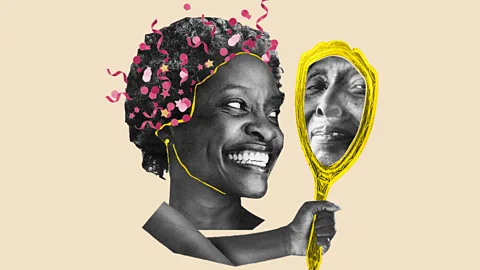

1. Troubling Example of Ageism
One example of ageism that stood out to me in the readings was the assumption that older adults are less capable, less productive, and unable to learn new things. I found this troubling because it ignores the knowledge, experience, and skills that many older adults continue to contribute to society. These stereotypes can affect how older adults are treated in healthcare, the workplace, and everyday interactions.
I have witnessed ageism when an older family member needed help with technology. Instead of being patient, people assumed they were unable to learn because of their age. After some practice, they learned how to use the technology independently. This experience showed me that age does not determine a person’s ability to learn and made me realize how harmful these assumptions can be.
2. Language and Stereotypes
Cruikshank discusses how terms that portray older adults as frail, dependent, or helpless reinforce negative stereotypes. Aronson points out that older adults are often described as burdens on society, which minimizes their value and contributions. Dovey challenges the common belief that old age is mainly a period of decline and unhappiness by showing that many older adults live active and meaningful lives.
All three authors suggest that these stereotypes can be challenged by recognizing that older adults are a diverse group with different abilities, experiences, and strengths. Changing the language we use can help create more positive and realistic views of aging.
3. Internalized Ageism
Internalized ageism occurs when people accept society’s negative beliefs about aging and begin to apply those beliefs to themselves. This can influence both thoughts and behaviors. For example, someone might believe they are too old to learn a new skill or participate in certain activities, even when they are capable of doing so.
Aronson explains that constant exposure to negative messages about aging can affect how people view themselves as they grow older. Dovey, however, shows that many older adults resist these stereotypes by continuing to pursue hobbies, maintain relationships, and remain involved in their communities. Together, these readings demonstrate that aging does not have to limit a person’s potential.
4. Cooper’s “One-Way Mirror” Quote
Cooper’s “one-way mirror” metaphor suggests that younger people see older adults as different from themselves and fail to recognize that aging is a process everyone experiences. This separation creates a generational divide and makes it easier for ageist attitudes to develop.
I think this quote is important because society often celebrates youth while overlooking the value of older adults. I see myself beginning to understand that aging is a shared human experience and that the experiences of older adults have relevance for all generations. Society can better value older adults by promoting intergenerational relationships, challenging age-related stereotypes, and recognizing the wisdom, knowledge, and contributions that older adults bring to families and communities.
I really enjoyed reading your post, especially the example you shared about your older family member learning how to use technology. I think this is something we see often in society, where people automatically assume that older adults cannot learn or adapt to new things simply because of their age. What stood out to me was that once your family member was given the time and patience to learn, they were able to use the technology independently. That shows how important it is to give people opportunities instead of placing limitations on them.
I also agree with your thoughts about Cooper’s one-way mirror. Sometimes younger generations forget that one day they will be in the same position as the older adults they may judge today. I believe we need to do a better job of listening to older adults and appreciating the knowledge and life experiences they bring to the table. As future social workers, we have to make sure we are advocating for their independence and treating them with dignity and respect.
Your post made me think about how often ageism happens without people even realizing they are participating in it. Do you think technology could actually be a way to help bridge the gap between younger and older generations instead of creating more separation?