
- In my first blog post, I stated that I did not have a particular fear about aging. I still do not fear the process of getting older itself, but after thinking more deeply about this assignment, I realized that developing Alzheimer’s disease or another form of dementia would be a fear of mine. I spent about a year working in a nursing home, and during that time I saw firsthand how dementia can affect not only the person living with it, but also their entire family. It was heartbreaking to watch family members visit someone they loved and realize that person no longer recognized them. I would sometimes try to imagine the frustration from the older adult’s perspective as well. Having someone standing in front of you telling you that they are your child, niece, cousin, or another person you are supposed to know, while you genuinely have no idea who they are, seems like it could create confusion, frustration, fear, and even anger. Physically, dementia could eventually affect my ability to care for myself and complete everyday tasks independently. Emotionally, I think I would struggle with frustration, sadness, fear, and the possibility of no longer recognizing the people I love. Socially, my relationships could change because my family may eventually have to take on caregiving roles instead of simply being my family. Financially, I could face increased healthcare and long-term care expenses and might eventually need someone else to manage my finances, which connects to the concern I mentioned in my first blog about older adults becoming more vulnerable when they lose independence. My experience working in financial institutions has already shown me how dependence on others can increase an older adult’s vulnerability to financial exploitation or abuse.
Another major concern for me would be becoming a burden on the people I love. Taking care of someone who is losing their independence can sometimes mean that the caregiver loses part of their own independence too. Their schedules, finances, relationships, and personal responsibilities can begin to revolve around caregiving. It reminds me of when adult children say, “My parents raised me, and now I am raising them.” I understand the love behind caring for a parent, but I would never want my daughter or another family member to feel like they had to put their own life on hold because of me. That is one reason staying healthy and physically fit is so important to me. I want to do everything within my control to remain active and independent so that my daughter and I can grow older together instead of her feeling like she has to become my full-time caregiver.
More than any of those things, though, my ultimate fear would be not being around to watch my daughter grow up and grow older. Becoming a mother has changed the way I think about my own future. I have taken steps to make sure she has a more secure future if something were to happen to me, but having things financially prepared would never replace actually being there. I want to witness her milestones, watch her grow into her own person, see what career she chooses, be there for her accomplishments and difficult moments, and hopefully one day see the family and life she creates for herself. The thought of dementia affecting my ability to recognize her or remember those milestones would be extremely difficult for me.
- In my first post, I imagined my later years as a time when I would be active, healthy, independent, financially comfortable, traveling, and enjoying my children and grandchildren. Developing Alzheimer’s or dementia could significantly change that vision. Instead of being able to travel freely or make all of my own decisions, I might eventually need assistance with transportation, healthcare, finances, or basic daily activities. I could also become dependent on my daughter or other family members in ways that I never imagined. One of the most difficult changes would be the possibility of being physically present for my family but not fully understanding who they are or what is happening around me.
I would also struggle with the possibility that my condition could change my daughter’s life. I would not want her to miss opportunities, neglect her own family, or give up parts of her independence because she felt responsible for caring for me. My ideal later life is not just about remaining independent for myself. It is also about remaining as independent as possible so that the people I love can continue living full and healthy lives of their own. At the same time, I would hope that some parts of my ideal life could remain. I would still want to be surrounded by family, treated with dignity, included in decisions as much as possible, and encouraged to maintain whatever independence I was still capable of having. My definition of a good later life might have to change, but I would still want connection, comfort, respect, and quality of life.
- The CARA model helps me think about how I could cope with a situation like dementia rather than viewing the diagnosis as the end of a meaningful life. The model explains resilience through the use of resources at the individual, community, and sociocultural levels (Aldwin et al., 2024). My individual resources could include the healthy habits I am developing now, financial planning, coping skills, knowledge about dementia, spirituality, personal values, and my willingness to accept help when I truly need it. Maintaining my physical health through regular exercise, healthy eating, and staying active would also be important because I want to preserve my independence for as long as possible.
My community resources could include my daughter and other family members, friends, physicians, social workers, caregivers, support groups, and organizations that provide services to older adults and people living with dementia. Sociocultural resources could include Medicare, Social Security, transportation programs, long-term care resources, legal protections for older adults, and programs designed to prevent elder abuse and financial exploitation. These resources could become generalized resistance resources, or GRRs, that could help me and my family adapt to changes as they occurred.
The CARA model also emphasizes maintaining a sense of coping efficacy even when circumstances become more difficult. Resilience in this situation would not mean pretending I was not afraid or refusing assistance because I wanted to prove that I was independent. It would mean using the resources available to maintain as much dignity, independence, connection, and purpose as possible. It would also mean making plans early enough that my wishes were known and my daughter and family did not have to make every difficult decision without knowing what I wanted. To me, resilience would also mean doing what I can now to stay healthy and fit so that my daughter and I can grow through life together rather than having her spend her adulthood caring for me before she should have to.
- For my peer-reviewed article, I selected Hellis and Mukaetova-Ladinska’s (2022) systematic review, Informal Caregiving and Alzheimer’s Disease: The Psychological Effect. The researchers reviewed studies examining how caring for a person with Alzheimer’s disease affects informal caregivers, including family members. Their findings showed that dementia caregiving can create significant emotional strain and is associated with increased anxiety, depression, caregiver burden, financial strain, and poorer quality of life among caregivers (Hellis & Mukaetova-Ladinska, 2022). This article stood out to me because it connects with what I witnessed while working in a nursing home. Dementia does not only affect the individual diagnosed with the condition. The family also experiences the progression of the disease and has to adjust to watching someone they love change over time. Seeing that personally is one of the reasons Alzheimer’s and dementia would be difficult for me to face. I would worry about what was happening to me, but I would also worry about the emotional impact my condition could have on my daughter and other people who love me. I would especially struggle with the idea that caring for me could cause them to lose some of their own independence, freedom, or quality of life.
References
Aldwin, C. M., Choun, S., & Spiro, A. (2024). The coping, appraisal, and resilience in aging (CARA) model: Longitudinal findings from the Normative Aging Study. Psychology and Aging, 39(8), 884–896. https://doi.org/10.1037/pag0000863
Hellis, E., & Mukaetova-Ladinska, E. B. (2022). Informal caregiving and Alzheimer’s disease: The psychological effect. Medicina, 59(1), 48. https://doi.org/10.3390/medicina59010048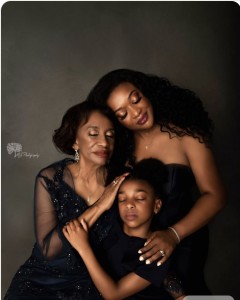
Keeshlynne,
Please review my comments in the last post about uploading your featured image. I really liked your image, and it would have been great at the top of your post.
I appreciate you taking a moment to think about which condition concerned you most. I think we frequently equate aging with dependence, when there really is usually something specific, physically or mentally, that creates the need to depend on others.
This was a very complete and well-done post. When you watch the dementia video and listen to Jim and I, I hope you also learn that dementia isn’t like a light switch where one moment you are fine and the next moment you don’t remember anyone in your life. It is a difficult process, yes, and it takes a lot out of the older adult and their family. But remember, much of what you are describing occurs at the end stage of dementia, not across the entire fourth chapter of an older person’s life.
As I read through the rest of your post, I was reminded of the podcast Kendall and I just completed. Kendall is an Aging Life Care Manager, and while we already recorded a podcast with her, we decided to add a part about family. The part we discussed at length that your post reminded me of was the concept of planning. All the issues you raise and the possibilities you discuss are part of the kind of planning we all need to do. Instead of planning only when we are in some kind of crisis, we should talk about and think through what we want while we are still healthy and clear-headed; that will lead to a much better outcome if and when we face challenges as we age.
The last podcast we will do will be about death and dying, and difficult conversations. I think if we talked more about all of this with the people we love, it would worry us so much less.
I am looking forward to the conversations.
Dr P